Thinking about updating your ceiling in Thailand? You might have heard about stretch ceilings, and honestly, they’re becoming a pretty popular choice. They look sleek and modern, and people say they’re good for the humid climate here. But are they really worth the cost and effort? We’re going to break down what stretch ceilings are all about, look at the good and the not-so-good, and help you figure out if they’re the right move for your home or business.
Understanding Stretch Ceilings: Are They Worth It?
What Exactly Is a Stretch Ceiling?
A stretch ceiling is a modern ceiling system. It uses a thin, flexible PVC or fabric membrane that is clipped to a track around the room’s perimeter. The result? A flat, smooth surface that covers the original ceiling or any wiring above.
Unlike plaster or gypsum ceilings, stretch ceilings don’t crack, chip, or need repainting. They’re popular in Europe and have grown more common in Thailand, especially for homes, offices, hotels, and shops.
A few quick facts:
- The system is lightweight, so your main ceiling stays unaltered.
- Stretch ceilings come in matte, glossy, textured, and even printed versions.
- Lighting can be built right in: no fuss.
The Core Benefits of Stretch Ceilings
People pick stretch ceilings for practical reasons:
- Quick installation (often just 1 to 2 days, less mess).
- Moisture-resistant: great for humid rooms like kitchens.
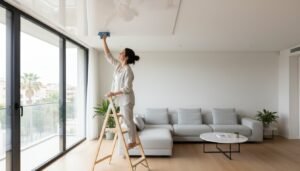
- Easy upkeep; just wipe with a damp cloth.
- Many finish options (matte, mirror-like, even glowing or printed).
- Good for hiding uneven surfaces or ceiling damage, no big repairs needed.
- Safe: most quality membranes are fire-resistant.
Table: Basic Comparison
| Feature | Stretch Ceiling | Plaster Ceiling |
|---|---|---|
| Installation Time | 1 to 2 days | 1 to 2 weeks |
| Cleanliness | Nearly dust-free | Lots of dust |
| Upkeep | Wipe clean, no paint | Needs repainting |
| Durability | 10-15+ years | Can crack/chip |
Why Consider Stretch Ceilings in Thailand?
The Thai climate is tough on traditional ceilings: high humidity, heat, and the occasional leak from above. Plaster often cracks, stains, or even molds over time.
Stretch ceilings handle moisture much better. That’s particularly useful in places like Bangkok or coastal areas. Mold and mildew aren’t much of a problem because the surface is non-porous and sealed tight to the room.
A few reasons they make sense here:
- Thailand’s humidity won’t warp or damage a stretch ceiling.
- Cleaning is simple and fast.
- Perfect for condos and houses with low or uneven ceilings; you can even add lights and soundproofing at the same time.
- Installation is fast, causing less disruption to daily life.
If you want a clean, modern look that lasts and stays easy to maintain, stretch ceilings are a real option in Thailand. Cost is higher than plaster, but so is lifespan and appearance.
Aesthetic Possibilities and Design Flexibility
When you think of stretch ceilings in Thailand, most people picture that clean, smooth look. But there’s actually way more to it. The materials allow for a surprising amount of creative freedom, colours, shapes, lights, and even printed designs. Here’s a close look at what’s possible, and how it works.
Exploring Different Finish Options
There are several main finishes for stretch ceilings. Each suits a different mood or use:
- Matte: Simple and non-reflective. Great for bedrooms or anywhere you want a plain, classic ceiling.
- Glossy (Lacquered): Has a mirror-like effect. This makes small rooms look bigger and brighter. Works well in kitchens or shops.
- Textured: Imitates fabrics, leather, or other surfaces. Used in hotels, restaurants, or anywhere you want a statement.
- Translucent: Lets light through, used when you combine the ceiling with hidden lighting.
- Printed: Custom images, patterns, or company logos. Anything you can print digitally, you can print on a ceiling.
Here’s a basic table showing popular options and where they make sense:
| Finish Type | Best For | Price Range (THB/m²)* |
|---|---|---|
| Matte | Bedrooms, offices | ~3,500+ |
| Glossy | Kitchens, showrooms | ~3,500+ |
| Textured | Hotels, restaurants | ~4,000+ |
| Translucent | Retail, galleries | ~4,500+ |
| Printed | Branding, home theatres | ~5,500+ |
*Prices vary depending on design complexity and size.
Integrating Custom Graphics and Prints
With a printed stretch ceiling, you aren’t stuck with just paint or plaster. You can print anything, from a blue sky to a company logo, or a cartoon for a child’s room. In Thailand, businesses often use this for branding in lobbies, cafes, or showrooms.
- Graphics are printed with UV-resistant inks so they won’t fade quickly, even in the sun.
- Printing can cover the whole ceiling, or just certain panels.
- Good for commercial spaces and homes that want extra personality.
Thinking about this? Here’s when people usually go printed:
- Companies wanting strong branding.
- Kids’ rooms with playful prints.
- Restaurants or bars with dramatic art overhead.
Creating Ambiance with Translucent and Backlit Designs
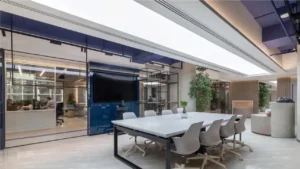
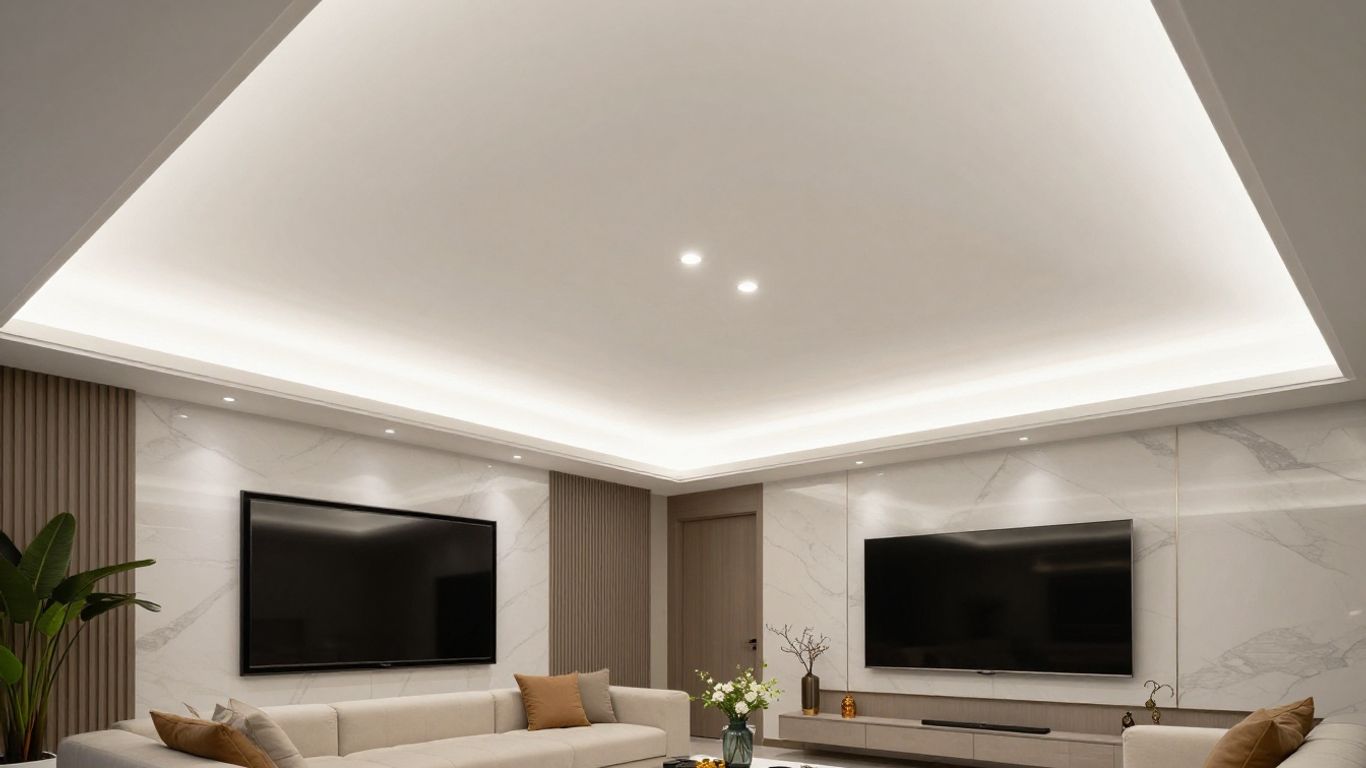
This is where things get more interesting. Translucent stretch ceilings let you hide lights above or behind the membrane. The whole surface can glow evenly, no light spots, just smooth light.
- LED panels or lightboxes are installed above the ceiling.
- You can change colours, dim the light, or even set up patterns.
- Backlit ceilings are common in modern living rooms, bars, or retail stores where mood lighting matters.
Benefits of going translucent or backlit:
- Soft, even lighting across the entire surface.
- Flexible, can be warm white, cool white, or colour-changing.
- Works well for places that need atmosphere or unique effects.
If you’re thinking about design flexibility, here’s a quick checklist of what makes stretch ceilings different:
- Wide colour and finish selection compared to paint.
- Can combine prints, lights, and shapes in one ceiling.
- Easy to change look in the future, just replace the membrane, not the whole structure.
So, if you want to do more with your ceiling than just cover up old plaster, stretch ceilings have a lot of practical options, whether you keep it simple, add lighting, or go all out with graphics.
Functional Advantages Beyond Appearance
Stretch ceilings offer more than just a good look. They come with practical benefits that make them a smart choice, especially in a place like Thailand.
Enhancing Acoustic Performance
If you’re tired of echo or too much noise, stretch ceilings can help. Some types have membranes that absorb sound. This means less echo in big rooms and a quieter atmosphere overall. It’s great for offices, restaurants, or even home theatres where sound quality matters. This sound absorption can make spaces feel more comfortable and productive.
Moisture and Humidity Resistance
Thailand’s climate is known for its humidity. Regular ceilings can suffer from moisture, leading to mold or damage. Stretch ceilings, particularly PVC types, are naturally resistant to moisture. This makes them a solid option for kitchens, bathrooms, or any room prone to dampness. They won’t warp or degrade easily due to humidity.
Durability and Longevity
Forget about cracks and peeling paint. Stretch ceilings are built to last. They don’t typically crack like plaster or gypsum ceilings can, especially with temperature changes. They also resist stains, making them easier to keep looking good over time. With proper care, a stretch ceiling can easily last 10 to 15 years or even longer, offering good value. You can find out more about stretch ceiling benefits that contribute to their long lifespan.
Lighting Integration for Enhanced Spaces
Stretch ceilings can also carry integrated lighting, not just a finish. Building lights directly into the ceiling gives a cleaner result than adding fixtures afterward, and it matters more in Thailand, where good lighting changes how a space feels.
Illuminating Spaces with LED Strips
LED strips are a popular choice. They use very little power and can be dimmed or even set to different colours. You can hide them around the edges of the ceiling for a soft glow, or use them to highlight specific areas. It’s a simple way to add atmosphere without taking up much space.
Achieving Even Light with Lightboxes
Want a really smooth, even light across the whole ceiling? Lightboxes are the answer. These are essentially panels behind the stretch material that light up. They’re great for kitchens, bathrooms, or even retail spaces where you need consistent, bright light without any shadows. It makes the whole ceiling look like a soft light source.
Incorporating Spotlights and Fixtures
Of course, you can still install regular spotlights or other light fixtures. The stretch ceiling material is strong enough to support them. This gives you flexibility if you need focused lighting for tasks, like in an office or a reading nook. You can mix and match different lighting types to get exactly the effect you want.
The Installation Process in Thailand
A Quick and Clean Installation
Installing a stretch ceiling is surprisingly fast. Unlike traditional ceilings that can take weeks and make a huge mess, stretch ceilings are usually done in just a day or two for most rooms. This means less disruption to your home or business. The process is also very clean. There’s no heavy dust or need for painting afterwards, which is a big plus.
Comparing Installation Time to Traditional Ceilings
Let’s look at how stretch ceilings stack up against older methods:
| Ceiling Type | Typical Installation Time | Mess Level |
|---|---|---|
| Plaster/Gypsum | 1-2 weeks | High (dust, paint) |
| Stretch Ceiling | 1-2 days | Low (minimal dust) |
As you can see, the time savings are significant. Plus, the lack of mess makes it a much more pleasant experience.
Ensuring Professional and Safe Installation
While the process is quick, it’s important to have professionals handle it. They know how to properly install the track system and stretch the membrane without damaging it. They also ensure all electrical work for lighting is done safely and correctly. Using experienced installers means you get a perfect, smooth finish and a ceiling that lasts. They also make sure the materials used meet safety standards, which is always a good thing to have peace of mind about.
Cost Considerations for Stretch Ceilings
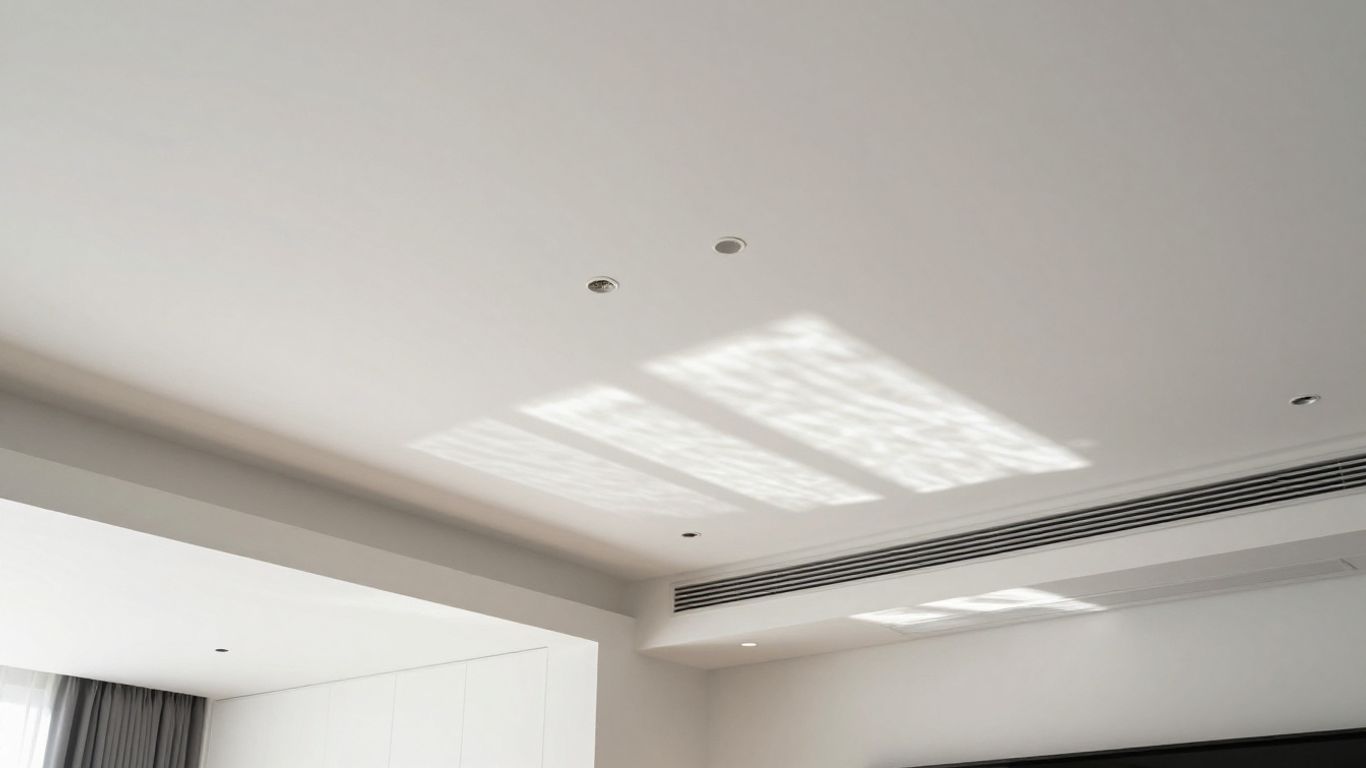
Understanding Pricing Factors
The cost of a stretch ceiling isn’t a one-size-fits-all number. Several things play a role in the final price. Think about the size of the room, of course, but also the type of finish you want. A simple matte finish will cost less than a glossy one or a custom printed design. The complexity of the installation also matters. If you want special shapes or integrated lighting, that adds to the cost. The materials used and any extra features like acoustic panels will also affect the price.
Typical Price Ranges for Various Finishes
While exact quotes depend on your specific project, here’s a general idea of what you might expect in Thailand:
| Finish Type | Starting Price (THB per m²) | Notes |
|---|---|---|
| Basic Matte/Glossy | ~ 3,500 | Standard, clean look |
| Translucent | ~ 4,500 | Needs lighting integration |
| Printed Designs | ~ 5,500 | Custom graphics, logos, or images |
| Acoustic Membrane | ~ 5,500 | For sound dampening |
Keep in mind these are starting points. More intricate designs or high-performance acoustic options will be priced higher. Always get a detailed quote for your specific needs.
Value for Money: Are Stretch Ceilings a Good Investment?
When you look at the upfront cost, stretch ceilings might seem more expensive than traditional options like plaster or gypsum. However, they offer long-term value. They don’t crack or stain like plaster can, meaning you won’t need costly repairs or repainting down the line. They also hold up well in Thailand’s humid climate, avoiding issues like mold or warping that can affect other ceiling types. Plus, their quick installation means less disruption to your home or business. Considering their durability, low maintenance, and resistance to local climate challenges, stretch ceilings can be a smart investment for a modern, lasting finish.
Maintenance and Care for Your Ceiling
Stretch ceilings are pretty low-maintenance. They don’t crack or fade like older ceiling types. This is good news, especially in Thailand’s humid weather. With a little care, your ceiling can look good for many years.
Simple Cleaning and Maintenance Tips
Keeping your stretch ceiling clean is easy. You don’t need special tools or cleaners. Just a few simple steps will do the trick.
- Dusting: Gently dust the ceiling every few months. A soft cloth or a duster on an extension pole works well.
- Washing: For light dirt or smudges, use a soft cloth with warm water and a little mild soap. Wipe gently.
- Avoid Harsh Cleaners: Never use strong chemicals, bleach, or abrasive cleaners. These can damage the ceiling material.
- No Scrubbing: Don’t use rough sponges or brushes. They can scratch the surface.
Addressing Stains and Minor Damage
Sometimes, things happen. A small stain or a tiny tear might occur. Here’s how to handle them.
- Stains: For most common stains, mild soap and water usually work. For tougher spots like water marks, a mix of water and white vinegar can help. Always test in a small, hidden area first.
- Punctures: Small holes can sometimes be patched by a professional. If the damage is larger, the section might need to be replaced.
- Water Leaks: If there’s a leak from above, PVC stretch ceilings can hold the water temporarily. This prevents damage to the room below. Once the leak is fixed, the water can be carefully drained by a professional, and the ceiling can be restored.
Long-Term Care for Lasting Beauty
Stretch ceilings are built to last. They are resistant to moisture and don’t need repainting. This makes them a great choice for places like kitchens or bathrooms.
- Ventilation: Keep rooms well-ventilated. This helps prevent condensation, which is good for any ceiling.
- Lighting Check: If you have integrated lighting, check the fixtures now and then. Make sure they aren’t overheating, which could affect the ceiling material over time.
- Professional Check: It’s a good idea to have a professional check the ceiling’s tension and frame about once a year. This is especially true for ceilings installed many years ago, just to be safe.
With basic care, your stretch ceiling should stay looking great for 10 to 15 years, or even longer.
Choosing the Right Stretch Ceiling Provider
Local Expertise and Adaptation
When you’re looking for a stretch ceiling company in Thailand, it’s smart to find one that really knows the local scene. Things like humidity and building styles here are different from other places. A good provider will understand these local conditions. They’ll know how to make sure your ceiling holds up well, even with the tropical weather. They should also be familiar with Thai building codes and practices.
Importance of Quality Materials and Workmanship
Don’t just go for the cheapest option. The quality of the materials used for your stretch ceiling matters a lot. It affects how long it lasts and how good it looks. Also, the people installing it need to be skilled. Poor installation can lead to problems down the road, like sagging or uneven surfaces. Ask about the materials they use and see if they have trained installers. A good provider will be upfront about their materials and installation process.
Finding a Provider Offering Comprehensive Service
Think about what you need from a company. Do they just install, or do they help with the whole process? A provider that offers a full service can make things much easier. This usually includes:
- Consultation: Discussing your ideas, budget, and what’s possible for your space.
- Design: Helping you choose the right finish, color, and any special features like lighting or prints.
- Installation: A clean, quick, and professional fitting of the ceiling.
- Aftercare: Providing advice on maintenance and any warranty information.
Getting a provider who handles everything means fewer headaches for you. It also means they’re invested in the final result of your project.
Applications Across Different Spaces
Residential Applications
Stretch ceilings fit well in homes. They work in bedrooms, kitchens, and living rooms. They are good for humid areas like bathrooms because they don’t get damaged by moisture. You can choose different finishes to match your home’s style. For example, a glossy finish can make a small room feel bigger. A matte finish offers a classic look. They are also easy to clean, which is great for busy households.
Commercial and Retail Spaces
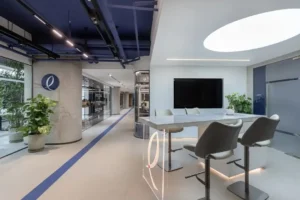
These ceilings are popular for businesses. In shops, they can help create a certain mood. You can print logos or designs on them for branding. For example, a retail store might use a printed ceiling with their brand colours. Restaurants can use them to improve acoustics, making it quieter for diners. They also look very modern and clean. This makes a good impression on customers. Many shops and restaurants in Bangkok use them for this reason.
Hospitality and Entertainment Venues
Hotels and entertainment places often use stretch ceilings. In hotels, they can create a luxurious feel in lobbies or rooms. For bars and clubs, translucent ceilings with colored LED lights can change the atmosphere. Cinemas can use them for special effects, like a starry sky. They are also good for places like theatres or event halls because they can help with sound quality. This means less echo and clearer sound for performances or speeches.
So, Are Stretch Ceilings Worth It in Thailand?
Stretch ceilings handle Thailand’s humidity well, install fast, and last longer than plaster with less upkeep. They cost more upfront than a basic painted ceiling, but for a renovation or new build in this climate, they’re worth getting a quote for.
Frequently Asked Questions
What exactly is a stretch ceiling?
A stretch ceiling is a special type of ceiling made from a flexible material, like a strong fabric or plastic sheet. It’s fitted onto a frame that’s attached to your existing ceiling or walls. Think of it like a stretched canvas that creates a smooth, new surface below your old one.
Are stretch ceilings a good choice for Thailand’s climate?
Yes. Stretch ceilings hold up well in Thailand because they resist moisture and humidity. Unlike regular ceilings, which can crack or grow mold in damp air, they stay looking good and are easy to clean.
How long does it take to install a stretch ceiling?
Installation is quick. Most rooms take about one to two days, far faster and less messy than traditional ceiling work, which can take weeks.
Can I add lights to a stretch ceiling?
Yes. Stretch ceilings work well with integrated lighting. LED strips, spotlights, or full lightboxes can all be built into the membrane.
What are the different looks or finishes available?
There are several options: matte, glossy, textured, or translucent finishes, plus custom printed designs or images.
Are stretch ceilings difficult to clean or maintain?
No. They’re low-maintenance. A wipe with a soft cloth and mild soap and water is usually all it takes.
How much do stretch ceilings usually cost in Thailand?
The price can vary depending on the size of the room, the type of finish you choose, and any special features like lighting or prints. Basic finishes are quite affordable, while more complex designs will cost more, but they offer good value for their durability.
Are there any downsides to having a stretch ceiling?
While they have many benefits, one thing to consider is that sharp objects can puncture the material, though repairs are often possible. Also, the initial cost might be higher than a very basic traditional ceiling, but their longevity and low maintenance often make up for it over time.