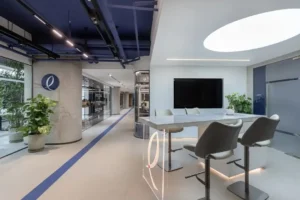
Thinking about upgrading your ceiling? You’ve probably seen those super smooth, modern-looking ceilings in fancy hotels or shops, and maybe wondered if they’re right for your place. Well, stretch ceilings are becoming a popular choice for both homes and businesses, but there are some differences. Let’s break down what makes a residential vs commercial stretch ceiling project unique, from the materials they use to how they’re installed and what they can do for your space. It’s not just about looks; it’s about function too.
Core Materials Used in Residential vs Commercial Stretch Ceilings
Stretch ceilings are popular in both homes and commercial buildings. But the materials used can be quite different depending on the setting. Here’s a practical guide to what goes into these ceilings and why it matters.
PVC Versus Fabric Membranes
You usually see two main types of stretch ceiling material: PVC and fabric (polyester-based). Each has pros and cons depending on where it’s used.
- PVC Membrane
- Fabric Membrane (Polyester with PU or PVC coating)
Quick Material Comparison Table:
| Feature | PVC Membrane | Fabric Membrane |
|---|---|---|
| Seamless Size | Up to ~5m width | Up to ~50m width |
| Water Resistant | Yes | Somewhat, varies |
| Finish Options | Glossy, Matte, Print | Matte, Textured, Print |
| Price (per m2) | ~$20 to 40 | ~$30 to 60 |
Strength and Durability Standards
Contractors follow specific durability standards in commercial settings. Here’s what matters:
- Homes: Most installations are in bedrooms, kitchens, or living rooms. Normal wear, occasional cleaning, and child-safe durability are important.
- Commercial: Ceilings might see more abuse (shops, public areas, lobbies). Materials must withstand frequent cleaning, possible impacts, and sometimes even vandalism.
Key points:
- Heavier-duty rails/frame systems are standard in commercial jobs.
- Fabric membranes often get extra coatings for durability.
- Commercial warranties can last 10+ years, but require proven wear resistance.
Safety Certifications and Fire Ratings
Safety rules get stricter in public or business spaces. Here’s what’s required:
- All ceilings should have certified fire resistance. But commercial codes are more demanding (think malls or hotels, there’s a legal requirement, not just a nice-to-have).
- PVC membranes for both homes and businesses typically hold a B-s1, d0 or similar fire safety rating (self-extinguishing, low smoke, no burning droplets).
- Fabric options are often treated to achieve a similar rating. Check with your installer for certification paperwork.
Typical Commercial Requirements:
- Certified according to local or international fire standard (often EN 13501-1 in Asia/Europe).
- Toxicity tests (to make sure fumes aren’t hazardous).
- Documentation for building inspectors.
A safe stretch ceiling will always come with documentation, don’t skip it, especially for businesses!
In summary, most homes stick to affordable PVC with plenty of finishes, while commercial spaces often pay extra for wide, tough, and certified materials. Safety documentation is non-negotiable for public and commercial installations.
Design Flexibility for Homes versus Business Spaces
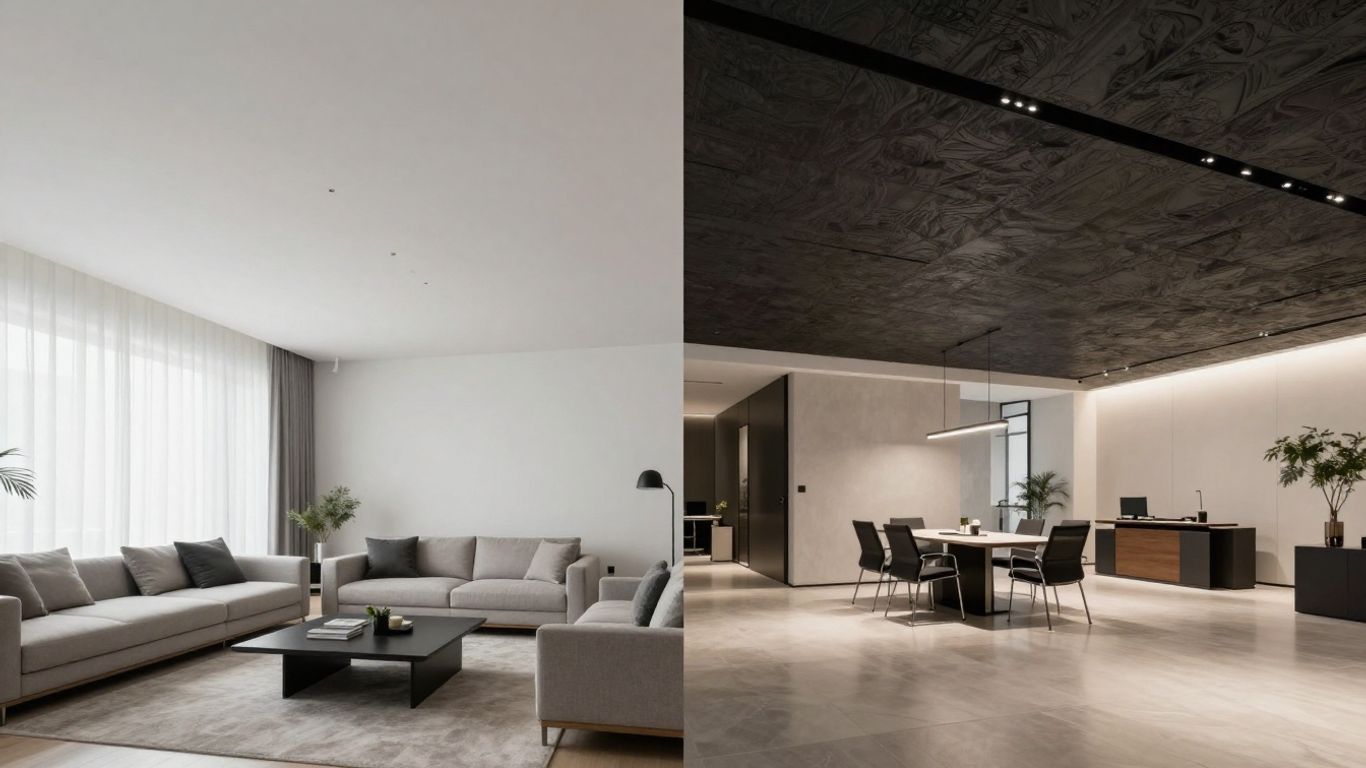
Stretch ceilings offer a lot of ways to change how a room looks and feels. This is true for both homes and businesses, but the goals can be a bit different.
Colour and Finish Options
Both homes and businesses can pick from many colours and finishes. Matte finishes are common for a simple, clean look. Glossy finishes can make a room feel bigger and brighter because they reflect light. Textured finishes add a bit of depth and style.
- Matte: Good for living rooms, bedrooms, or offices where you want a calm look.
- Glossy: Great for kitchens, bathrooms, or showrooms to make the space feel more open and light.
- Textured: Can add a unique touch to dining rooms, lounges, or retail spaces.
The main difference is often the goal: homes might focus on comfort and personal style, while businesses might choose finishes that match their brand or create a specific atmosphere for customers.
Branding and Custom Graphics
This is where commercial spaces really stand out. Businesses can print logos, graphics, or even entire scenes onto the stretch ceiling material. This turns the ceiling into a marketing tool or a way to create a strong brand identity.
- Retail Stores: Displaying logos or product images.
- Offices: Incorporating company branding in lobbies or meeting rooms.
- Restaurants/Cafes: Adding unique artwork or themes to match the establishment’s style.
While homes can use custom graphics (like a starry sky or a favorite landscape), it’s much more common in commercial settings where visual branding is important.
Texture and Visual Impact
Beyond just color, the texture and how the ceiling interacts with light create a big visual impact. Translucent finishes are a great example. These ceilings can be lit from behind, creating a soft, even glow.
- Residential: Backlit ceilings can create a relaxing mood in bedrooms or living rooms, or a dramatic effect in home theatres.
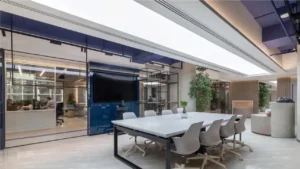
- Commercial: Translucent ceilings with lighting are used in retail to highlight products, in restaurants to set a mood, or in lobbies to create a welcoming entrance. Some businesses even use dynamic RGB lighting to change the colour and feel of the space throughout the day.
Lighting Integration Differences in Residential and Commercial Projects
Lighting is a big part of how a stretch ceiling looks and works. Residential and commercial projects often use lighting in different ways.
LED and Lightbox Options
Both homes and businesses can use LED lights and lightboxes. LEDs are energy-efficient and can be dimmed. Lightboxes create a smooth, even light across a large area.
- Homes: Often use lightboxes for general lighting in living rooms or kitchens. They can also use LED strips for accent lighting under cabinets or around features.
- Businesses: Use lightboxes for bright, uniform lighting in retail spaces or showrooms. LEDs are great for highlighting products or creating a specific mood in restaurants.
Concealed Lighting for Ambience
Concealed lighting, often called cove lighting, hides the light source. This creates a soft, indirect glow that adds a relaxing atmosphere.
- Residential: Perfect for bedrooms, living rooms, or home theatres where a calm mood is desired. It can make a space feel more luxurious.
- Commercial: Used in hotels, spas, or high-end restaurants to create an inviting and sophisticated environment. It can also be used in lobbies to make a good first impression.
RGB and Dynamic Lighting in Commercial Spaces
RGB (Red, Green, Blue) lighting allows for a wide range of colours. Dynamic lighting can change colour and intensity over time. These are more common in commercial settings.
- Commercial: Businesses use RGB and dynamic lighting for branding, special events, or to change the mood of a space. Think of retail stores that change colours for holidays or restaurants that adjust lighting for dinner service. It helps create a memorable experience for customers.
- Residential: While less common, some homeowners might use RGB lighting for entertainment rooms or creative spaces. It’s usually a more advanced feature for homes.
Acoustic Performance: Homes versus Offices and Venues
Sound is a big deal in any space. Whether it’s a quiet home office or a busy restaurant, how sound behaves makes a difference. Stretch ceilings can help manage sound.
Noise Reduction Solutions
Stretch ceilings can be made with special membranes that absorb sound. This is different from just blocking sound. When sound waves hit these membranes, some of the sound energy gets trapped. This reduces echo and makes speech clearer. It’s like giving the sound a place to go instead of bouncing around the room.
This helps a lot in places where clear communication or a calm atmosphere is important.
- Offices: Reduces distractions in open-plan areas and makes meetings clearer.
- Restaurants/Cafes: Lowers background noise, making it easier to talk and enjoy your meal.
- Homes: Great for home theatres, music rooms, or even just a quieter living space.
- Venues: Improves sound quality in theatres, conference rooms, and event halls.
Types of Acoustic Membranes
Stretch ceilings differ a lot in how they handle sound. The key is the membrane material. Some membranes have tiny holes, almost invisible to the eye. These micro-perforations allow sound waves to pass through to an absorbent layer behind the membrane.
- Standard Acoustic: Offers good echo reduction for general use.
- High-Performance Acoustic: Designed for maximum sound absorption, ideal for very noisy environments.
- Printed Acoustic: Combines sound control with custom graphics or branding.
These membranes can be integrated into various ceiling designs, including those with lighting. For example, you can get a backlit acoustic ceiling that both looks good and sounds good.
Best Acoustic Uses by Project Type
Choosing the right acoustic ceiling depends on what you need.
- Residential: For home theatres or music rooms, an acoustic ceiling can make a big difference in sound quality. It helps create a more immersive experience without sound leaking out too much.
- Commercial (Offices): In busy offices, especially open-plan ones, acoustic ceilings help reduce the general noise level. This leads to better focus and productivity. They can also improve the clarity of calls and conversations.
- Hospitality & Venues: Restaurants, bars, and event spaces benefit greatly. Reducing echo makes dining more pleasant and speeches or performances clearer. It creates a more comfortable environment for everyone.
These acoustic solutions are a practical way to improve the feel of any space, whether it’s a home or a business. They offer a stylish way to manage sound issues.
Installation Process: What to Expect in Residential vs Commercial Settings
Installing a stretch ceiling is pretty straightforward, but there are some differences depending on whether it’s for your home or a business.
Site Preparation and Disruption
For both homes and businesses, the process starts with installing a frame around the perimeter of the room. This frame holds the ceiling material.
- Residential: Usually, this means clearing out furniture from the center of the room. The work is often done in a single room at a time. Disruption is generally minimal, and most projects take only a day or two.
- Commercial: For businesses, especially those that are still open, scheduling is key. Installation might happen overnight or during off-hours to avoid interrupting operations. The scale can be larger, so preparation might involve more coordination.
Speed of Installation
Stretch ceilings are known for being fast to install compared to traditional options like drywall or plaster.
- Residential: A typical room in a house can be done in 1 to 2 days. This includes setting up the frame, heating the material, and stretching it into place.
- Commercial: While the process is still quick, larger commercial spaces might take a bit longer. A big office floor or a retail store could take anywhere from a few days to a week, depending on the complexity and size.
Dealing with Large Spaces or Complex Designs
Both residential and commercial projects can involve tricky layouts or large areas.
- Large Spaces: For very large rooms, especially in commercial settings like event halls or showrooms, multiple pieces of the stretch material might be joined together. Special techniques are used to make these seams almost invisible.
- Complex Designs: If you want curves, multiple levels, or specific shapes, the installation team needs to be skilled. This is true for both high-end homes and custom commercial spaces. The frame can be shaped before the material is installed, allowing for a lot of design freedom.
Typical Applications for Residential and Commercial Stretch Ceilings
Stretch ceilings are pretty versatile. You can find them in all sorts of places, from homes to big businesses. They work well because they look good and can be customized.
Popular Rooms in Homes
In houses, stretch ceilings are great for living rooms, bedrooms, and kitchens. They give a smooth, clean look that’s easy to keep tidy. Because they’re moisture-resistant, they’re a good choice for bathrooms and kitchens where steam is common. You can also add lighting to make these rooms feel more welcoming or modern.
- Living Rooms: For a sleek, updated feel.
- Bedrooms: To create a calm, relaxing atmosphere.
- Kitchens & Bathrooms: Due to their resistance to moisture and ease of cleaning.
Key Areas in Offices and Retail
Businesses use stretch ceilings a lot. In offices, they help with acoustics, making it quieter to work. They can also hide old or uneven ceilings quickly. For retail stores, a stretch ceiling can make a space look more high-end. You can even print logos or designs on them to help with branding.
- Office Reception Areas: To make a good first impression.
- Meeting Rooms: To improve sound quality for better communication.
- Retail Stores: To create a clean, bright display area for products.
- Restaurants & Cafes: To manage noise and set a specific mood.
Unique Uses in Public and Hospitality Spaces
Beyond homes and offices, stretch ceilings show up in places like hotels, theatres, and galleries. In hotels, they add a touch of luxury to lobbies and rooms. For theatres and entertainment venues, special acoustic versions can improve the sound experience. Translucent ceilings can also be lit up to create dramatic effects, which is great for event spaces or art galleries.
Maintenance and Cleaning: Residential vs Commercial Considerations
Stretch ceilings are pretty low-maintenance, which is a big plus for both homes and businesses. They don’t need much, but a little care goes a long way to keep them looking good for years.
Routine Cleaning Requirements
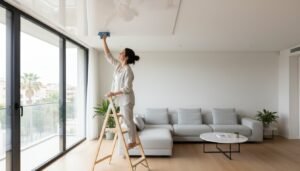
For everyday upkeep, you mostly just need to dust them. Think of it like dusting any other surface in your house or office. It prevents dust buildup and keeps the ceiling looking fresh.
- Homes: A quick dusting every few months is usually enough. Use a soft microfibre cloth or a long-handled duster.
- Businesses: Depending on the space (like a restaurant kitchen versus an office lobby), you might need to dust more often, maybe monthly. High-traffic areas will collect more dust.
The key is to avoid harsh chemicals and abrasive materials.
Handling Stains and Damage
Stretch ceilings are pretty good at resisting stains, but accidents happen. Grease in kitchens or spills in a cafe can happen. Luckily, they’re usually easy to clean up.
- Minor Stains: For most common stains, a soft cloth with warm water and a little mild soap works well. Gently wipe the area. For tougher spots, a mix of water and white vinegar can sometimes help.
- Water Leaks: If you have a leak from above, PVC stretch ceilings can hold the water temporarily. Once the leak is fixed, the water can be drained by a professional, and the ceiling can be restored. This is a big advantage over traditional ceilings that would be ruined.
- Punctures or Tears: Small holes can sometimes be patched by a professional. Larger damage might mean replacing a section or the whole ceiling, which is more involved.
Long-Term Durability and Wear
These ceilings are built to last. They don’t crack, peel, or fade like paint or plaster might. This means they hold up well over time, whether in a busy office or a family home.
- Residential: Expect them to look good for 10-15 years or even longer with basic care. They’re great for bathrooms and kitchens because they handle moisture well.
- Commercial: In commercial settings, they also offer great longevity. Their resistance to humidity and stains makes them suitable for places like restaurants, retail stores, and offices. Regular cleaning helps maintain their appearance, especially in areas with high foot traffic or specific environmental factors like kitchen grease.
Pricing Comparison: Residential vs Commercial Stretch Ceilings
When you’re thinking about stretch ceilings, the cost can really change depending on whether it’s for your home or a business. It’s not just a simple price per square foot; a lot of things play into the final number.
Factors That Impact Cost
Several things make the price go up or down. The type of material is a big one. Basic matte finishes are usually the most affordable. If you want something fancier, like a glossy finish, a printed design, or a special acoustic membrane, that will cost more. Lighting is another factor. Adding LED strips, lightboxes, or custom lighting setups adds to the overall price. The complexity of the design also matters. A simple, flat ceiling is less expensive than one with curves, multiple levels, or intricate shapes. Finally, the size of the space and any unique installation challenges can affect the cost.
Budgeting for Homes and Businesses
For homes, stretch ceilings are often chosen for specific rooms like kitchens, bathrooms, or living areas where a smooth, clean look is desired. The cost might be a few thousand dollars for a typical room. Businesses, however, often have larger areas to cover and might need more advanced features. Think about a restaurant needing acoustic dampening or a retail store wanting custom branding printed on the ceiling. These commercial projects can range from several thousand to tens of thousands of dollars, depending on the scale and features.
Here’s a general idea of how costs can break down:
| Feature/Material | Residential Estimate (per sq ft) | Commercial Estimate (per sq ft) |
|---|---|---|
| Basic Matte/Glossy | $20 – $40 | $25 – $45 |
| Translucent with LEDs | $35 – $60 | $40 – $70 |
| Printed Graphics/Branding | $50 – $80+ | $55 – $90+ |
| Acoustic Membrane | $45 – $70 | $50 – $80 |
Note: These are rough estimates and can vary widely based on specific project details, location, and chosen provider.
Customisation and Premium Options
If you’re looking for something truly unique, the price will reflect that. Custom graphics, intricate lighting designs, or high-performance acoustic membranes are premium options. These are often more common in commercial settings where a specific brand image or atmosphere needs to be created. While a homeowner might opt for a printed design in a home theatre, a large retail chain might print their logo across hundreds of square feet. The investment in these premium features is usually higher for commercial spaces due to the scale and specific requirements.
Safety and Regulatory Compliance in Different Environments
Fire Resistance and Local Codes
Stretch ceilings are generally made from materials that are fire-resistant. Many meet international safety standards. This means they don’t easily catch fire and can help slow down the spread of flames. In case of a fire, the material might curl up, but it’s designed to extinguish itself once the heat source is gone. Always check the specific fire rating of the material you choose. Local building codes often have requirements for ceiling materials, especially in public buildings. Make sure your chosen stretch ceiling meets these local regulations.
Moisture and Mold Prevention
One big plus for stretch ceilings is their resistance to moisture. They don’t absorb water like traditional drywall or plaster can. This makes them great for places like bathrooms, kitchens, or basements where humidity is high. Because they don’t hold moisture, they are less likely to develop mold or mildew. This is a significant advantage for maintaining a healthy indoor environment. Even if there’s a leak from above, some types of stretch ceilings can hold the water temporarily, preventing damage below until it can be drained.
Health and Environmental Benefits
Many stretch ceiling materials are non-porous. This means they don’t absorb odors, dust, or allergens. They are also easy to clean, which helps maintain good air quality. Some materials are recyclable, and when paired with energy-efficient LED lighting, they can contribute to a more sustainable building. When selecting a stretch ceiling, look for certifications that confirm the material is safe for indoor air quality and doesn’t release harmful chemicals.
Choosing the Right Stretch Ceiling Finish
The finish you pick for your stretch ceiling really changes how a room looks and feels. It’s not just about covering up the old ceiling; it’s a design choice that impacts light, style, and even the mood of the space. Think about what you want the room to do and how you want it to feel before you decide.
Matte, Glossy, and Textured Options
Matte finishes are a safe bet for most rooms. They don’t reflect much light, giving a soft, classic look that works well in living rooms, bedrooms, or offices. They hide imperfections well and are generally easy to keep clean. Matte is often the most budget-friendly option.
Glossy, or lacquered, finishes are quite different. They reflect a lot of light, making a room feel bigger and brighter. This makes them great for smaller spaces, kitchens, or anywhere you want a bit of sparkle. However, they can show fingerprints and dust more easily, and they might create glare if not positioned carefully.
Textured finishes add a bit of depth and visual interest. They can mimic other materials or just add a subtle pattern. These are good for places like restaurants or hotels where you want a unique look without being too flashy. They can also help hide minor imperfections on the ceiling itself.
Printed and Translucent Finishes
Printing directly onto a stretch ceiling membrane opens up a world of possibilities. You can have custom logos for a business, artistic designs for a creative space, or even a sky or nature scene for a bedroom. These printed ceilings are UV-resistant, so the colours should stay vibrant for a long time. They’re a great way to make a statement and personalize a space. For businesses, this is a way to integrate branding into ceiling designs.
Translucent finishes are special because they’re designed to let light through. When you put lights behind them, like LEDs or lightboxes, they create a soft, even glow across the entire ceiling. This is perfect for creating a relaxing atmosphere in a living room, adding a unique touch to a bar, or highlighting products in a retail store. You can even create a "starry sky" effect this way.
Real Beetlewings Projects in Thailand
These aren’t hypothetical scenarios. They’re actual installations across Bangkok and Thailand.
Residential projects
At The Obsidian, a residential project in Bang Waek, Beetlewings installed a backlit stretch ceiling that adds warmth and controllable mood lighting to the living space. For a separate wellness project, a curved ceiling with concealed cove lighting gave a spa-style room a soft, even glow with no visible fixtures.
Commercial and hospitality projects
At TEPPEN Ekkamai, a Japanese restaurant, Beetlewings worked with Key Concept Architects on a ceiling using RGBW LEDs and lightbox panels that support the restaurant’s minimal, upscale identity. At Silom Edge Mall, RGB lighting built into the stretch ceiling lets shop owners change the mood of their space on demand. At Monkey Three Coffee in EmQuartier, a minimal stretch ceiling with concealed lighting adds depth to the café without competing with the interior. For Little Pines Kids Club, a suspended lightbox ceiling using 6000K LEDs made a bright, durable, easy-to-clean play area. A Bangkok car showroom got a suspended ceiling with hidden lighting that puts vehicles under gallery-style light, and at Big C Amnat Charoen, a lightbox ceiling spreads even light across the retail floor without glare.
Office projects
Office work includes a curved, lit ceiling at One Bangkok, a two-layer LED ceiling for Gulf Development’s corporate hall in Rayong, and a straightforward white stretch ceiling that brightened up a standard Bangkok office reception.
What holds up in Bangkok’s climate
Every one of these projects deals with Bangkok’s humidity, and none have had issues with warping or mold. That’s the real argument for stretch ceilings here: the design options are a bonus, but holding up in this climate over the next ten years is what actually matters.
Lead Times and Aftercare: What Homeowners and Businesses Need to Know
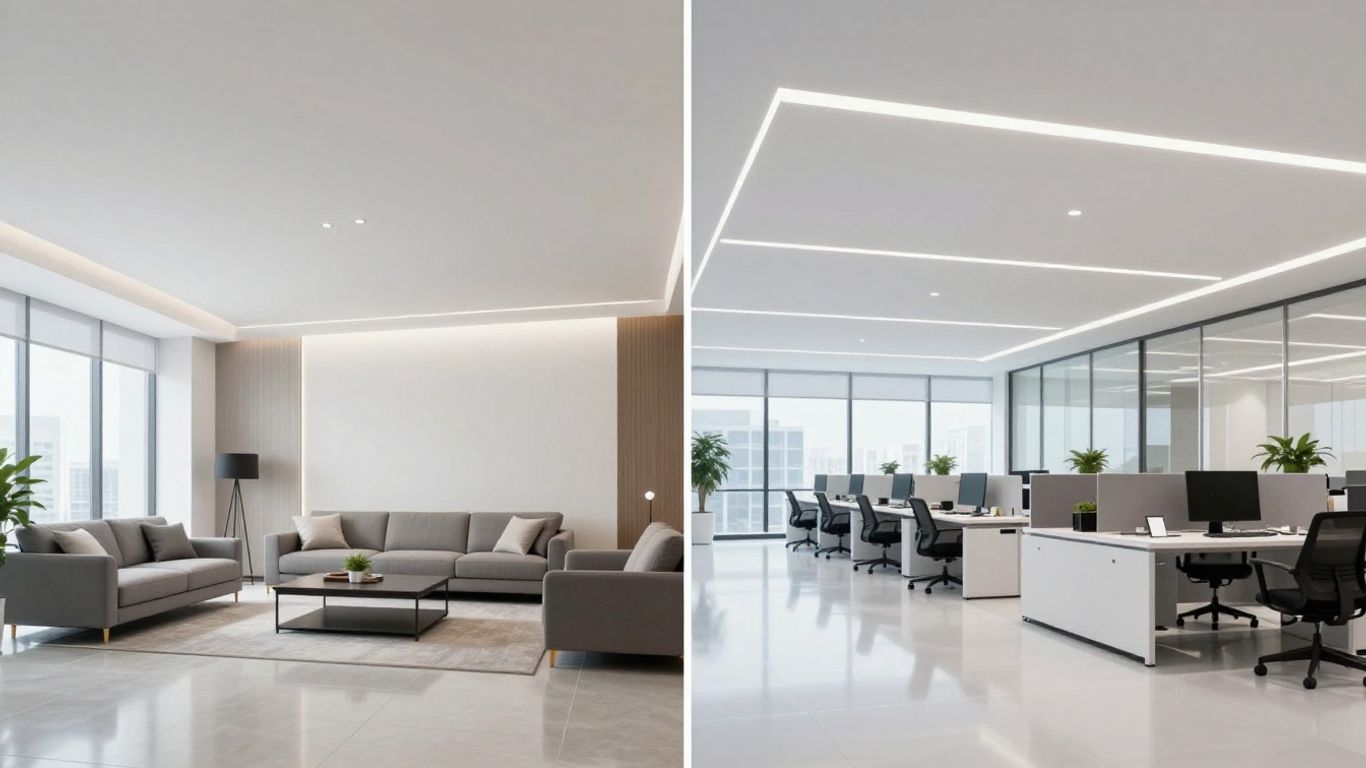
When you start thinking about stretch ceilings, one question always comes up: How long will it take? Installation times for stretch ceilings are quick compared to traditional plaster or gypsum. For a standard-sized room in a home, you can expect installation to take 1 to 2 days. Larger residential projects or spaces with custom shapes might take up to 4 days.
In commercial settings, the timeline gets a bit longer, mostly because of:
- The larger area
- More complex lighting or acoustic features
- Coordination with other trades (electrical, HVAC)
A big office or retail job usually takes 3 to 7 days, but spaces like malls or hotels might need a phase-by-phase plan. Scheduling can also depend on available materials, custom prints, and business working hours (to avoid disruptions).
| Project Type | Typical Lead Time |
|---|---|
| Single Home Room | 1-2 days |
| Large Home/Complex Shape | 2-4 days |
| Small Shop/Office | 1-3 days |
| Large Commercial Space | 3-7+ days |
Warranty and Support
After installation, all reputable vendors offer a warranty. This usually covers defects in materials and workmanship. Most warranties last 10 years, but it’s always best to confirm with your installer.
Key warranty points:
- Coverage for sagging, cracks, or colour fading
- Some cover installation-related issues (loose fittings, frame problems)
- Damage from accidents (e.g., punctures) isn’t covered
For support, most companies:
- Provide phone and onsite help if there are problems
- Offer quick repairs for minor issues (like fixing a loose edge or stain)
- Can replace the membrane if there’s major damage or water leaks
Ongoing Aftercare for Different Clients
Caring for a stretch ceiling is pretty easy, but the usage pattern matters:
For homeowners:
- Dust lightly with a soft cloth every few months
- Wipe with mild soap and water if needed
- Avoid abrasive tools, sharp objects
- Inspect for tears or loose edges after moving tall furniture
For businesses:
- Schedule regular cleaning (once every few months, more often in high-traffic areas)
- Train janitorial staff on safe cleaning techniques
- Inspect lighting integrations for dust or overheating
- Make a plan for quick repairs to avoid affecting branding or customer experience
Common aftercare issues and quick solutions:
- Stains: Clean with mild soap and a damp cloth
- Sagging: Call your installer; don’t try to fix it yourself
- Small tears: Get professional repair; don’t patch with tape
No matter the space, a properly maintained stretch ceiling can last well over a decade, with minimal fuss.
Conclusion
So, after looking at both residential and commercial stretch ceilings, it’s clear they each have their own strengths. For homes, people usually want something that looks good, is easy to clean, and can handle Bangkok’s humidity. Commercial spaces, on the other hand, often need ceilings that can handle more wear and tear, help with noise, and sometimes show off a brand or create a certain mood with lighting. The good news is, there’s a stretch ceiling for just about any need, whether you want a glossy finish in your kitchen or a printed, backlit ceiling in your restaurant. The key is to think about what matters most for your space: style, sound, lighting, or durability. If you’re still not sure which type is right for you, it might help to talk to a local expert who’s worked on projects like yours. That way, you’ll get a ceiling that not only looks great but also works for your everyday life or business. And if you want to see more real examples or get a quote, check out our our site for more info.
Frequently Asked Questions
What exactly is a stretch ceiling?
A stretch ceiling is a special kind of ceiling made from a flexible material, like PVC or fabric. It’s attached to a frame around the edges of your room. This creates a perfectly smooth, flat surface that looks really modern and can hide any old, uneven ceiling above it. It’s a great way to update any space, whether it’s your home or a business.
Are stretch ceilings good for humid places like Thailand?
Yes. Stretch ceilings hold up well in humid environments. Unlike regular ceilings, which can get damaged by moisture, they’re built to handle humidity without warping or growing mold, and they resist water well, which matters for kitchens, bathrooms, or anywhere moisture is a concern.
Can I put lights in a stretch ceiling?
Yes. Stretch ceilings work well for integrated lighting: LED strips, spotlights, or a full glowing effect using lightboxes behind the ceiling. This gives you control over mood and brightness in any room.
How long does it take to install a stretch ceiling?
Installation is fast. Most rooms take about one to two days, quicker and far less messy than traditional ceiling work.
What different looks or finishes can I get?
There are plenty of options: matte for a classic look, glossy to make a room feel bigger and brighter, or textured for added style. You can also get custom printed designs or images, or a translucent finish that works with backlighting.
Are stretch ceilings safe, especially in case of fire?
Safety is a top priority. High-quality stretch ceiling materials are designed to be fire-resistant. They won’t easily catch fire, and if exposed to extreme heat, they tend to curl up and away from the flame, rather than spreading it. They usually come with safety certificates.
How do I clean and take care of a stretch ceiling?
Care is simple. A soft cloth with mild soap and water is usually all it takes. They don’t need repainting, and they resist stains and odors, so upkeep stays low over the years.
Can stretch ceilings help with noise problems?
Yes. Some stretch ceilings are made with acoustic membranes that have tiny holes to absorb sound waves, reducing echo and making a room quieter. That’s useful for offices, restaurants, or home theatres where sound quality matters.