Do Stretch Ceilings Get Damaged Easily? What You Need to Know

So, you’re thinking about stretch ceilings for your place, huh? They look pretty sleek, but a big question on people’s minds is: do stretch ceilings get damaged easily? It’s a fair question. You want something that looks good and lasts without you constantly worrying about it. Let’s break down what you really need to know about their durability, how to keep them looking nice, and what kind of problems, if any, you might run into.

Key Takeaways

  • Stretch ceilings are quite tough and don’t easily crack or flake like older ceiling types.
  • They can last a long time, often 10-15 years or more, especially with basic care.
  • Water leaks are manageable; the material can hold water temporarily and be drained.
  • Sharp objects can puncture them, but small holes can often be patched up.
  • Regular dusting and cleaning with mild soap are usually all that’s needed to keep them looking good.

Understanding Stretch Ceiling Durability

Resistance to Cracks and Flaking

Stretch ceilings are made from a flexible membrane, usually PVC or a similar material. This makes them very different from traditional plaster or gypsum ceilings. Those older types can crack over time, especially if there are small movements in the building. They can also start to flake or peel, which looks bad and means more work to fix.

A stretch ceiling, on the other hand, is designed to stay smooth and intact. It doesn’t crack or flake. This is a big reason why people choose them. They keep their look for a long time without needing constant touch-ups.

Longevity and Lifespan

When you get a stretch ceiling installed properly, it’s built to last. Most manufacturers offer warranties that suggest a long lifespan. With basic care, these ceilings can easily last 10 to 15 years, and often much longer. Think of it as a long-term investment for your home or business. Unlike paint that might fade or plaster that might crack, the material itself is quite stable. This means you won’t be looking at replacing it anytime soon.

Impact of Humidity and Climate

This is where stretch ceilings really shine, especially in places with high humidity. Traditional ceilings can suffer from moisture. They might warp, develop stains, or even encourage mold growth. Stretch ceilings, however, are made from non-porous materials that don’t absorb moisture. This makes them a great choice for areas like bathrooms or kitchens, and also for climates that are consistently damp. They won’t warp or degrade due to humidity, which is a common problem with other ceiling types. For example, in places like Bangkok, where the climate is tropical, stretch ceilings perform exceptionally well compared to traditional options.

Here’s a quick look at how they handle different conditions:

  • Humidity: Highly resistant. No warping or degradation.
  • Temperature Fluctuations: Stable. They don’t expand or contract significantly.
  • Moisture: Non-porous surface prevents water absorption and staining.

Common Damage Scenarios and Prevention

Stretch ceilings are tough, but they’re not indestructible. Here’s what you should know about potential damage and how to avoid it.

Water Leaks and Flooding

Stretch ceilings can hold water if there’s a leak from above, but that doesn’t mean you should ignore the problem.

  • If a pipe bursts or rainwater seeps in, the ceiling will sag and act like a waterproof pocket.
  • Water needs to be removed quickly to avoid putting too much stress on the material or frame.
  • Usually, a professional will unclip the ceiling, drain the water, and reinstall the panel.
  • Prevention: Check upstairs plumbing and building waterproofing every year.
  • Costs: Water removal and ceiling reinstallation can run from a few hundred to several thousand baht, depending on the problem.

Here’s a summary:

IssueCeiling ResponseTypical Solution
Small leakCeiling sags, holds waterProfessional draining, reinstall
FloodingLarge water pocket formsFull removal and inspection
StainsRare, but possible after leaksMild cleaning or panel replace

Punctures and Tears

Sharp objects can poke holes or slice into the membrane. Moving ladders, careless installers, or even a child’s toy can be trouble.

  • Small punctures (under 1 cm) can sometimes be patched by a professional.
  • Bigger tears usually mean the whole panel needs swapping out.
  • Prevention: Keep sharp tools away when working near the ceiling and don’t hang heavy objects from light fixtures.
  • Costs: Minor patches are cheap, but full replacement can cost as much as new installation—often 3,500+ THB/m² for basic finishes (Bangkok price guide).

Tips for avoiding punctures:

  1. Use step stools carefully—avoid scraping the ceiling.
  2. Place furniture away from the ceiling edge when moving it.
  3. Remind kids not to throw toys in rooms with stretch ceilings.

Heat Damage from Lighting

High heat from some types of bulbs, especially old halogens, can harm stretch ceilings.

  • Overheating may cause the material to soften, discolor, or warp around fixtures.
  • Best to use LED lights, as they give off much less heat and are safer for the membrane.
  • If you want to install spotlights or lightboxes, choose profiles and bulbs made for stretch ceilings.
  • Prevention: Regularly check your fixtures for excessive heat.

Main heat risks:

  • Leaving high-wattage bulbs running close to the surface
  • Faulty wiring causing excess heat
  • Installing non-LED fixtures not meant for suspended ceilings

If you keep these issues in mind and take simple precautions, your stretch ceiling should stay in good shape for many years. Regular checks and a little care go a long way.

Maintenance for a Pristine Stretch Ceiling

Keeping your stretch ceiling looking good is pretty straightforward. Unlike older ceiling types, they don’t need much. You won’t be painting them or dealing with cracks. A little bit of regular care is all it takes to keep them looking fresh for years.

Routine Cleaning and Dusting

Dust can settle on any ceiling, and stretch ceilings are no different. You don’t need to do this often, maybe just a few times a year. A light dusting is usually enough to keep things looking clean.

  • How often? Every 3-4 months for a quick dust. A more thorough clean can be done once or twice a year if needed.
  • What to use? A soft microfiber cloth or a long-handled duster works best. For higher ceilings, an extendable duster is a good idea.
  • What to avoid? Don’t use anything abrasive. Just a gentle wipe is all that’s needed.

Safe Stain Removal Techniques

Sometimes, you might get a mark on the ceiling, especially in a kitchen or bathroom. The good news is that most common stains come off easily.

  • For light marks: Try a soft cloth dampened with warm water and a tiny bit of mild soap. Gently wipe the area. You can also try a mix of vinegar and water.
  • For tougher stains: If mild soap doesn’t work, you might need to use a specific cleaner. Always test it on a small, hidden spot first. Some stubborn stains, like rust or heavy grease, might be too much for cleaning and could require a panel replacement.
  • What to avoid: Never use harsh chemicals, bleach, or abrasive cleaners. These can damage the material and leave marks.

Avoiding Abrasive Materials

This is a big one. The surface of a stretch ceiling is smooth and can be scratched or torn if you’re not careful. Think of it like a delicate fabric.

  • Tools to avoid: Never use rough sponges, steel wool, or stiff brushes. These will definitely scratch the surface.
  • Cleaning cloths: Stick to soft microfiber cloths. They are gentle and effective.
  • Sharp objects: Be mindful of anything sharp that could accidentally come into contact with the ceiling, like the edge of a ladder or decorations you might be hanging.

Stretch Ceilings in High-Moisture Areas

Bathrooms and kitchens are naturally humid places. This can be tough on regular ceilings. Stretch ceilings, however, are a great fit for these rooms. They are made from materials that don’t mind moisture.

Suitability for Bathrooms

Stretch ceilings are excellent for bathrooms. They won’t warp or get damaged by steam. Plus, they can even hold a bit of water if there’s a leak from above. This acts as a temporary barrier, protecting your bathroom from water damage. Once the leak is fixed, the water can be drained out, and the ceiling goes back to normal.

Performance in Kitchens

Kitchens also deal with a lot of steam and grease. Stretch ceilings handle this well. They are non-porous, meaning grease and cooking smells don’t stick to them easily. A quick wipe-down is usually all that’s needed to keep them clean. Glossy finishes are popular in kitchens because they reflect light and make the space feel bigger, but they might show grease spots a bit more than matte ones.

Mold and Mildew Resistance

Because stretch ceilings don’t absorb moisture, they don’t give mold or mildew a place to grow. This is a big plus for humid areas like bathrooms and kitchens. Proper ventilation is still important for the room’s overall air quality, but the ceiling itself is resistant to these issues. This helps keep your ceiling looking clean and hygienic for a long time. You can find more details on ceiling solutions for humid climates if you’re in a place like Bangkok.

Repairing and Restoring Stretch Ceilings

Repairing a damaged stretch ceiling seamlessly.

Restoring a stretch ceiling is usually less stressful than dealing with plaster or drywall. Most small issues can be handled quickly, while bigger problems may need professional help. Here’s a clear look at the main repair scenarios and what to expect.

Patching Small Holes

Tiny tears or holes—maybe from a mishap while moving furniture—happen from time to time. You won’t need to replace the whole ceiling for a nail poke or screw mark, but you’ll need a steady hand to fix it cleanly.

Steps for patching a small hole:

  1. Clean the area with a soft, dry cloth.
  2. Use a clear adhesive or specialized patch kit made for your ceiling type (PVC or fabric).
  3. Smooth gently with a finger or tool, being careful not to stretch the membrane.
  4. For visible spots, a professional might use a tiny patch from matching material to hide the repair.

Most small repairs cost less than $100 USD if done by a pro, but DIY kits are cheaper. For large or ugly tears, a patch may not be enough.

Replacing Damaged Panels

Sometimes, a section of the ceiling gets damaged by water, serious puncture, or heavy impact. If the damage is bigger than a few inches or close to a seam, you’ll probably need to replace the whole panel.

Key points to remember:

  • The ceiling is made from large, fitted sheets—usually one per room.
  • Replacing a panel involves removing the trim, heating and unclipping the material, and swapping it out.
  • This is a pro job. It usually takes a few hours and costs depend on size and finish.
  • Typical replacement cost ranges:
Ceiling TypeEstimated Cost (USD)
Small/Mid Room$200 – $400
Large Custom Panel$400 – $800+

Dismantling and Reinstallation

Maybe you need ceiling access to fix a pipe, change wiring, or fix a neighbor’s leak upstairs. Good news: most stretch ceilings are removable and can be put back up, which is not something you can say for most other ceilings.

What to expect:

  • A pro will unclip the membrane carefully after heating it (so it stays flexible).
  • Once work behind the ceiling is finished, they reinstall the same sheet.
  • There’s little risk for marks or sagging if it’s done by someone who knows what they’re doing.
  • If the sheet is old or has shrunk, rarely it may need replacing.

You’ll want to use the original installer or a certified technician if you need to take the ceiling down and put it back up. As long as the material isn’t ripped or overstretched, this is a cost-effective way to restore things to normal without changing the whole look of your room.

In short: Most repairs for stretch ceilings are quick and clean compared to traditional plaster, especially if you call in a pro. Stick to gentle patching for small holes and contact your installer for anything larger. Regular ceilings don’t give you this level of flexibility or removable repair options.

Fire Safety Features of Stretch Ceilings

Stretch ceilings are popular not just for their looks, but because they’re considered safe in case of fire. Here’s how they manage fire risks in practice.

Flammability Ratings

Most quality stretch ceilings use materials with low flammability. The main material is usually PVC or polyester fabric. These are often treated to resist catching fire.

Material TypeTypical Flammability RatingNotes
PVC MembraneB-s2, d0 (EN 13501-1)Low combustibility, produces little smoke
Polyester FabricB-s1, d0Higher fire resistance, less toxic smoke
  • Ratings can vary by country and brand.
  • Always check for certified fire ratings before purchase.
  • Some companies display their certifications on product sheets or websites.

Behavior During a Fire

If there’s a blaze, a stretch ceiling won’t help the flames spread. Instead, the heat causes the membrane to shrink and roll away from the fire source. This leaves a gap, which helps prevent melting material from dripping down. It does not burn easily or support a fire on its own. This gives people more time to react or evacuate.

A few things to remember:

  • If a nearby lightbulb cracks and heats the material, the ceiling will retract but won’t ignite easily.
  • Strong flames or very high temperatures will eventually damage the membrane.
  • For homes with special feature ceilings (like backlit or printed designs), check if special coatings were used—they may slightly affect fire behavior.

Fire Safety Certificates

Most stretch ceilings come with official fire safety certificates that show the material passed burn tests. Look for:

  • International ratings (like EN 13501-1 or ASTM E84)
  • Certificates provided by the manufacturer or installer
  • Independent lab test results (some companies offer these on request)

Before you install, ask your provider to show the certificate for the exact model you’re getting. If you ever lose it, you can ask for a duplicate. Fire certificates also help with insurance or if local building codes demand proof. Many expert installers in Bangkok provide details and document copies when you go over design options or get an initial quote.

To sum up, a good stretch ceiling is about as safe as any modern ceiling material in a home or office when you pick reputable products with verified fire ratings.

The Role of Installation in Ceiling Durability

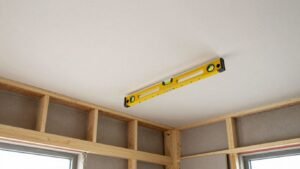
Smooth white stretch ceiling installation

Getting a stretch ceiling installed right is super important. It’s not just about how it looks when it’s done, but how long it lasts and how well it holds up over time. Think of it like building a house – a shaky foundation means trouble later on.

Importance of Professional Installation

While it might seem like a simple system, installing a stretch ceiling correctly takes skill. Professionals know how to properly tension the membrane so it’s smooth and won’t sag. They also know how to attach the frame securely to your existing ceiling or walls. This makes sure the whole system is stable and looks good for years.

Impact of Poor Installation on Longevity

If a ceiling isn’t installed well, you can run into problems. The membrane might not be stretched evenly, leading to wrinkles or sagging. The frame could be loose, which might cause the ceiling to come down. Sometimes, poor installation can even affect how well the ceiling handles things like water leaks or temperature changes. Basically, a bad install can cut short the life of your ceiling.

Frame and Membrane Integrity

Two main parts make up a stretch ceiling: the frame and the membrane (the fabric or PVC sheet). The frame is usually made of aluminum and is fixed around the room’s perimeter. It needs to be strong and level. The membrane is then heated and stretched, then clipped into the frame. If the frame isn’t installed properly, or if the membrane is overstretched or not secured right, the whole system’s integrity is compromised. This can lead to premature wear and tear, making the ceiling more likely to get damaged.

Comparing Stretch Ceilings to Traditional Options

When you’re thinking about a new ceiling, it’s good to know how different types stack up. Stretch ceilings offer a modern alternative to older methods like plaster or gypsum. They’re not just about looks; they have some practical differences too.

Durability vs. Plaster and Gypsum

Traditional ceilings, like plaster and gypsum board, can be prone to cracking. This often happens over time due to building movement or temperature changes. They can also flake or peel, especially in damp areas. Stretch ceilings, on the other hand, are made from a flexible membrane. This material is designed to resist cracks and flaking. It’s a more stable option that holds up better over the years. This flexibility means they are less likely to show damage from minor building shifts.

Maintenance Differences

Keeping a traditional ceiling looking good can be a lot of work. You might need to repaint it every few years to keep it fresh. If it gets stained, like from a water leak, it can be hard to clean without leaving a mark. Stretch ceilings are much simpler to maintain. A light dusting is usually all they need. For tougher spots, a mild soap and water solution works well. They don’t need repainting, and their non-porous surface means stains don’t soak in easily. This makes them a low-maintenance choice for busy households or commercial spaces.

Resistance to Environmental Factors

Environmental conditions can really affect ceiling materials. Humidity is a big one. Plaster and gypsum can absorb moisture, leading to sagging, mold, or damage. Stretch ceilings are made from materials that don’t absorb moisture. They handle humidity well, making them a great fit for places like bathrooms or kitchens. They also don’t warp or degrade in humid climates. This resistance means they keep their appearance and integrity longer, especially in challenging environments. For example, in places like Bangkok, where humidity is high, stretch ceilings are a smart choice for modern ceiling solutions.

FeatureStretch CeilingPlaster/Gypsum Ceiling
CrackingHighly resistantProne to cracking over time
Flaking/PeelingNot typicalCan occur, especially with moisture
Moisture ResistanceExcellentPoor; can absorb moisture, sag, or mold
MaintenanceLow; wipe clean, no repainting neededHigh; may need repainting, difficult stain removal
Lifespan (typical)10-15+ years with careVaries, but prone to wear and tear

Addressing Odors and Biological Growth

Non-Porous Material Benefits

Stretch ceilings are made from materials that don’t let things soak in. This means they don’t absorb smells from cooking or other sources. They also don’t give mold or mildew a place to grow. This is a big plus, especially in rooms like kitchens or bathrooms where moisture can be an issue.

Ventilation’s Role

Even though the ceiling material itself resists odors and mold, good airflow in the room is still important. Proper ventilation helps prevent condensation from building up. If condensation does form, it can sometimes lead to issues if not managed. Making sure air can move freely helps keep the ceiling and the whole room healthy.

Cleaning Fungus and Mildew

In the rare case that mold or mildew does appear, usually due to very poor ventilation or a specific leak, cleaning is straightforward. Because the surface is non-porous, you can usually wipe it clean with a soft cloth and a mild cleaning solution. For most situations, a simple mix of water and mild soap is enough to remove any unwanted growth. If there’s a significant issue, it’s always best to consult with a professional to ensure it’s handled correctly without damaging the ceiling.

Long-Term Care for Various Finishes

Caring for stretch ceilings isn’t complicated, but each finish needs specific attention. Different finishes—like glossy, printed, or backlit—require their own approach for long-term care. Here’s how to keep them looking new for years.

Maintaining Glossy Surfaces

Glossy ceilings are popular for kitchens and showrooms because they bounce light around and make spaces look bigger. But, fingerprints and smudges show up quickly. This is what works best:

  • Use a soft microfiber cloth for wiping.
  • Avoid any scrubbers or rough sponges—they leave scratches.
  • Stick to mild soap and lukewarm water. Strong chemicals can dull the shine.
  • Dry gently to avoid streaks.

A quick checklist for cleaning glossy ceilings:

TaskHow Often
Dust with soft clothEvery 3 months
Clean smudgesAs needed
Deeper cleanOnce a year

Caring for Printed Designs

Printed membranes can have custom graphics, logos, or photos, and you obviously don’t want to ruin the print. Here’s what I’ve learned:

  1. Gently dust prints with a clean, dry microfiber cloth.
  2. If there are marks, lightly dab with a cloth dampened in soapy water—never rub hard.
  3. Absolutely skip all bleach and strong cleaners; they can fade colors quickly.

It’s smart to avoid hanging or taping anything on printed surfaces.

Backlit Ceiling Maintenance

Backlit stretch ceilings give a unique look, especially for bars or retail. The membrane glows when lights are on. Maintenance is a bit different:

  • Check the condition of LEDs or lightboxes every 6-12 months. Burnt-out lights affect the whole ceiling’s look.
  • Keep the translucent membrane dust-free. A dry microfiber cloth usually does the job.
  • If you need deeper cleaning, always let it cool first (LEDs off), then wipe gently with a damp cloth.
  • For any electrical checks or replacements, contact a pro—don’t risk damaging the frame or the lights below.

For people in humid places like Bangkok, stretch ceilings—both basic and custom finishes—stay strong year to year because they’re made for moisture resistance.

What it Usually Costs

Finish TypeTypical Cleaning Cost (Self)Replacement Cost (per m², estimate)
Basic Matte0 THB (DIY)~3,500 THB
Glossy0 THB (DIY)~3,500 THB
Printed0 THB (DIY)~5,500 THB
Backlit/Translucent0 THB (DIY)~4,500 THB

If you need to replace a section, price depends on the finish. Maintenance, though, is usually just your time and a soft cloth.

If you follow the simple care steps above, your stretch ceiling will last and keep looking sharp. And if you notice issues—like dim lights or marks that won’t come off—call a specialist rather than risking it yourself.

So, Do Stretch Ceilings Get Damaged Easily?

Alright, let’s wrap this up. We’ve talked about how stretch ceilings hold up, and honestly, they’re pretty tough. They don’t crack like old plaster, and they handle moisture like a champ, which is great for places like Thailand. Sure, you can puncture them if you’re really trying, but for everyday living? They’re built to last. Plus, fixing small issues or cleaning them up is usually way easier and cheaper than you might think. So, if you’re looking for a ceiling that looks good and doesn’t give you a headache with constant upkeep or worry about damage, a stretch ceiling is definitely worth considering. They’re a solid choice for a modern, low-maintenance look.

Frequently Asked Questions

Are stretch ceilings easy to damage?

Not really! Stretch ceilings are made from strong material that doesn’t crack or peel like regular ceilings. They’re pretty tough against everyday bumps and scrapes. Of course, a sharp object could puncture them, but they’re not fragile.

How long do stretch ceilings usually last?

With good care, a stretch ceiling can last a long time, often 10 to 15 years or even more. They are built to be durable and keep their good looks for many years.

Can stretch ceilings get damaged by water leaks?

Actually, they can handle water leaks quite well! If water from above leaks onto the ceiling, the material can hold it without breaking. This prevents water from dripping into your room. The water can then be carefully drained by professionals, and the ceiling can be restored.

How do I clean a stretch ceiling?

Cleaning is simple! You can dust it with a soft cloth or a duster every few months. For tougher spots or a deeper clean, use a soft cloth with warm water and a little bit of mild soap. Just avoid anything rough or too much scrubbing.

Are stretch ceilings good for bathrooms and kitchens?

Yes, they are great for these rooms! They don’t get damaged by moisture or steam, which is common in bathrooms and kitchens. They also don’t get moldy easily, making them a clean choice for these areas.

Can stretch ceilings be punctured or torn?

While they are durable, a very sharp object could potentially puncture or tear the material. However, small holes can often be fixed by a professional. For bigger tears, a section or the whole ceiling might need to be replaced.

Do stretch ceilings fade over time?

No, good quality stretch ceilings are designed to keep their color. They don’t fade from sunlight or age, so they’ll continue to look as vibrant as the day they were installed.

Are stretch ceilings safe in case of a fire?

Yes, they are very safe. Most stretch ceiling materials have a fire-resistant rating. This means they don’t easily catch fire, and if exposed to high heat, they tend to curl up and away from the flame rather than spreading it.

Facebook
Twitter
Email
Print
Table of Contents

Newsletter

Sign up our newsletter to get update information, news and free insight.

Latest Post