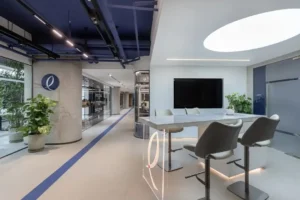
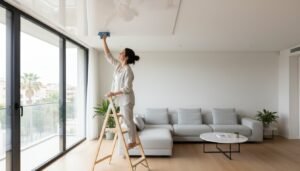
Choosing the right lighting for your space can feel like a big decision. You’ve probably seen those sleek, modern rooms with lights that seem to glow from the ceiling itself, and maybe you’ve also noticed rooms with those clean, flat panel lights. We’re talking about backlit ceilings and LED panels, two popular ways to light up a room. But what’s the real difference between them, and which one is actually better for your home or business? Let’s break down the backlit ceiling vs LED panels debate.
Key Takeaways
- Backlit ceilings use a translucent material with light sources behind it, creating a soft, diffused glow, while LED panels are distinct fixtures that emit light directly.
- Backlit ceilings offer a more integrated and ambient lighting effect, ideal for creating mood, whereas LED panels provide functional, often brighter, task lighting.
- Installation for backlit ceilings can be more complex, often involving custom framing and the stretch material, while LED panels are typically easier to install as standalone units.
- While initial costs for backlit ceilings might be higher due to custom materials and installation, LED panels can vary widely in price depending on brand and features.
- Both options offer energy efficiency, especially when using LED technology, but the overall performance and aesthetic impact differ significantly based on design intent and application.
Understanding Backlit Ceilings vs LED Panels
What Is A Backlit Ceiling?
A backlit ceiling is a type of ceiling that has lights installed behind a translucent material. This creates a soft, diffused light that spreads evenly across the room. Think of it like a giant, gentle light fixture built right into your ceiling. The light source is hidden, so you don’t see the bulbs or fixtures themselves, just the glow.
These ceilings are often made using a stretch fabric or membrane. This material is stretched taut over a frame, and the lighting system is placed above it. It’s a way to make the entire ceiling surface emit light, rather than relying on individual lamps or spotlights.
What Are LED Panels?
LED panels are flat, rectangular fixtures that contain many small LED lights. They are designed to provide bright, direct illumination. You’ve probably seen them in offices, schools, or modern retail stores. They often replace older fluorescent tube lights.
These panels are typically installed directly into a suspended ceiling grid or mounted onto a solid surface. They are known for being energy-efficient and long-lasting. You can get them in various sizes and brightness levels.
Key Differences in Design and Function
The main difference comes down to how they light up a space. Backlit ceilings aim for a soft, ambient glow by hiding the light source. LED panels, on the other hand, are designed to be the direct source of light, providing more focused illumination.
Here’s a quick look at some key distinctions:
- Light Quality: Backlit ceilings offer diffused, even light. LED panels provide brighter, more direct light.
- Installation: Backlit ceilings involve a frame and a translucent membrane. LED panels are typically modular units installed into a grid or surface.
- Aesthetics: Backlit ceilings can make a whole room feel brighter and more open. LED panels are functional lighting fixtures.
- Customization: Backlit ceilings can be printed with designs or patterns. LED panels usually come in standard white light, though some offer color-changing options.
Aesthetic Appeal and Design Possibilities
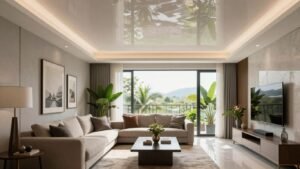
Backlit ceilings are hard to ignore. They let in soft, glowing light across the whole surface—no harsh spots or odd shadows. If you’re after a calm, warm feel for living rooms, spas, or even restaurants, this works well. You can add images or nature prints into the ceiling, making a space truly personal. The entire ceiling becomes a feature, not just a surface overhead. Spaces like lounges, bedrooms, or even commercial settings often use these to set a certain mood.
Common ways people use backlit ceilings:
- Warm, even glow in living rooms or bedrooms
- Artistic visuals in studios or creative offices
- Branding or logos in shops, hotels, or showrooms
- Nature or starry sky effects for children’s rooms or home theaters
One standout is you can combine lighting and visual art. Ceiling specialists in Bangkok can print almost any image onto a translucent stretch membrane, then light it with LEDs.
Versatility of LED Panel Designs
LED panels are simple and practical. They come in set shapes—usually flat, square, or rectangle. You can arrange them in grids or lines on almost any flat ceiling. For plain offices or modern kitchens, LED panels offer a crisp, clean look. They’re often chosen because they do their job well and fit almost anywhere.
Benefits of LED panel designs:
- Consistent, functional lighting across large or small areas
- Easy to match with minimalist or business interiors
- Can be suspended or recessed for a variety of looks
You won’t get the same custom graphics or art as backlit ceilings, but you do get reliable function and easy replacement.
Customization Options for Both
When it comes to making a ceiling your own, these two options split apart:
| Option | Custom Images | Shape Choices | Lighting Effects |
|---|---|---|---|
| Backlit Ceiling | Yes | Curved, dome, wave | RGB, dimmable, scenes |
| LED Panels | No | Flat, grid layouts | White or simple colors |
- Backlit ceilings allow full creativity: any theme, color, or photo can be printed on the membrane.
- You can also select finishes—matte, glossy, or even textured.
- Lighting in backlit designs can shift between warm to cool, or bring in color-changing options.
LED panels, on the other hand, are less about visual art and more about light levels. Most offer choices in brightness and sometimes color temperature. But if you just want a practical solution for even lighting that fits into most existing spaces, LED panels can fit the bill at a lower price point.
Customization is where backlit ceilings pull ahead if design flexibility is a top priority. LED panels are better if you’re focused on quick installs and simple upgrades.
Illumination Quality and Performance
![]()
Even Light Distribution
A big reason people like backlit ceilings is how smooth the light looks. The LED lights are hidden behind a special sheet or panel, which lets the light spread out evenly. This means you don’t get harsh spots or shadows. In a room, it feels like daylight is coming through the ceiling—a soft, gentle glow.
LED panels can also provide even lighting, but the effect depends on the size and placement of each panel. If you use large panels and arrange them well, the light will be quite uniform. Smaller panels or poorly planned setups can leave gaps or bright spots.
If you want the light to look the same everywhere in a room, a backlit ceiling usually does it best.
| Feature | Backlit Ceiling | LED Panel |
|---|---|---|
| Light spread | Very even | Can be even |
| Shadows | Minimal | Possible |
| Glare | Low | Moderate |
Brightness and Color Control
Both options let you choose how bright your room is. Good LED panels usually have a range of brightness settings. Some also let you pick from cool white, warm white, or even color-changing modes. Many backlit ceilings use similar LED technology. This means you can dim or brighten the room, or set mood colors—just like with panels.
- Backlit ceilings can be paired with smart LEDs for color control.
- LED panels can come with remote controls or smart-home settings.
- Both give you the option of dimming the lights to suit the mood.
Energy Efficiency Comparison
LED lighting, used in both systems, is very efficient compared to old-style bulbs. But the way lights are used in each option can change your electricity bill.
Backlit ceilings often use LEDs across a bigger area. This means more total watts, but the energy use can be similar if you dim the lights or use efficient strips. LED panels are more direct, lighting only where you need it—such as over a workspace or table.
| Factor | Backlit Ceiling | LED Panel |
|---|---|---|
| Typical wattage | 18–50W per sq. m | 36–60W per unit |
| Dimming available | Yes, often | Yes, often |
| Lifespan (hours) | 30,000–50,000 | 30,000–50,000 |
- Both options save energy over traditional bulbs.
- Big backlit ceilings can add up if left on all day.
- Pick high-quality LEDs and controls for best efficiency.
In short: Both options give good light and save power—but how you use them matters for your final bill.
Installation and Integration
![]()
Complexity of Backlit Ceiling Installation
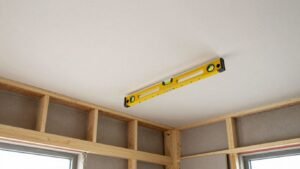
Installing a backlit ceiling is not a quick DIY job. It usually involves:
- Measuring and planning the ceiling layout in detail
- Mounting a support frame or tracks around the walls
- Fitting special stretch membrane or panels, making sure they stay wrinkle-free
- Installing LED strips, lightboxes, or other lighting sources above the translucent surface
- Electrical wiring and power supply setup
Backlit ceilings often require skilled installers and close coordination with electricians. Large projects can take several days. Even for a single room, installation is usually longer and messier than for regular ceiling panels. Moving or protecting furniture is advised due to dust and movement during the process.
Ease of Installing LED Panels
LED panels are much more straightforward. Most common varieties come as flat, modular units that can fit standard grid ceilings (like what you see in offices) or be surface mounted.
Installation process usually involves:
- Checking if your old ceiling grid and wiring can be reused.
- Swapping out old lights for new LED panels, or direct mounting to the ceiling with screws.
- Plugging into existing power supplies or connecting a driver/transformer for low-voltage LED systems.
For basic rooms, an electrician can install several panels in a single morning. Little dust and minimal disruption. Some panels even allow tool-free installation. Custom-shaped or specialty LED panels might need more carpentry or electrical work but, in general, it’s still less intrusive than building a full backlit system.
| Installation Process | Backlit Ceiling | LED Panels |
|---|---|---|
| Skill Required | High (specialist installer) | Medium (electrician/DIY) |
| Typical Time (single room) | 1–3 days | 1–3 hours |
| Usual Disruption Level | Medium–high (dust, moving furniture) | Low (mostly clean, quick) |
| Major Steps | Frame, stretch membrane, lighting, wiring | Mount panel, wire, switch on |
Integration with Existing Structures
Backlit ceilings change the physical ceiling, dropping it several centimeters to fit lighting and support elements. This means:
- Hiding old pipes or wires is possible, but it does lower ceiling height a bit
- Installing in very uneven rooms or around complex ductwork can get tricky and cost more
- Not all older homes or offices are good candidates, especially if there’s a risk of leaks or structural issues
LED panels are more forgiving:
- They can often fit right into existing ceiling grids or attach with brackets to plaster, wood, or concrete
- Only a modest gap is needed above the panel for ventilation; minimal ceiling height lost
- Works for both new and older buildings — less structural conflict
- If you renovate or move, panels can be removed and reused
For quick projects, upgrades, or buildings with limited ceiling space, LED panels are usually simpler to integrate. If you want a statement feature ceiling with lighting built in, backlit systems work better but require more planning, especially in complex spaces.
Cost Considerations: Initial Investment vs. Long-Term Value
When you’re thinking about upgrading your ceiling, the cost is a big part of the decision. It’s not just about the price tag today, but also what you’ll spend over time.
Upfront Costs of Backlit Ceilings
Backlit ceilings often involve a more complex system. This usually means a higher initial cost. You’re paying for the specialized materials, the lighting fixtures (like LED panels or lightboxes), and the labor to install everything behind the translucent ceiling material. Prices can vary a lot, but expect them to be on the higher end compared to a standard ceiling.
Pricing for LED Panel Systems
LED panels themselves have a range of prices. Simple, standard panels are more affordable. High-end panels with advanced features like color-changing capabilities (RGB) or very high brightness levels will cost more. The size of the panels and the brand also play a role in the final price. When integrated into a ceiling, the cost of the panels is added to the overall ceiling project.
Long-Term Value and Maintenance Costs
This is where things can get interesting. While backlit ceilings and LED panels might cost more upfront, they can offer good long-term value. LEDs are known for being energy-efficient, which can save you money on electricity bills over time. They also tend to last a very long time, meaning you won’t have to replace bulbs or fixtures as often as with older lighting types.
Maintenance for both systems is generally low. Backlit ceilings, often made of stretch materials, are easy to clean. LED panels are solid-state and don’t have parts that burn out easily. However, if an LED panel does fail, replacing it might be more costly than replacing a single light bulb. It’s wise to factor in potential repair costs, though these are usually infrequent.
Here’s a general idea of how costs might compare:
| Feature | Backlit Ceiling (Stretch Material) | Standard LED Panels (as part of ceiling) |
|---|---|---|
| Initial Cost | Higher | Moderate to High (depends on panel) |
| Energy Efficiency | High (with LED backlighting) | High |
| Lifespan | Long (material), Very Long (LEDs) | Very Long |
| Maintenance | Low | Low |
| Repair Cost | Potentially High (panel replacement) | Potentially High (panel replacement) |
Maintenance and Durability
Upkeep Requirements for Backlit Ceilings
Backlit ceilings, often made from stretch materials, are pretty low-maintenance. You don’t need to repaint them, and they resist moisture and odors. For regular cleaning, a soft cloth with a bit of mild soap and water usually does the trick. If you have a kitchen ceiling, you might need to wipe away grease more often. For printed or backlit surfaces, just be gentle to avoid damaging the design or the light diffusion. It’s a good idea to check the LED fixtures periodically to make sure they’re working well.
Durability of LED Panel Systems
LED panel systems themselves are known for being quite durable. The LEDs inside have a long lifespan, often lasting tens of thousands of hours. The panels are usually made from sturdy materials that can withstand normal wear and tear. Unlike older lighting technologies, they don’t have filaments that can break easily. This means fewer worries about them failing unexpectedly. They are also quite resistant to vibrations, which is a plus in busy environments.
Longevity and Repairability
Stretch ceilings are built to last, often 10-15 years or even more with basic care. They don’t crack or flake like traditional ceilings might. If a pipe bursts above, the material can temporarily hold the water, but it’s important to drain it quickly to prevent damage. Small tears or holes can sometimes be patched by a professional, but larger damage might mean replacing the entire panel. For LED panels, individual modules can often be replaced if they fail, extending the system’s life. Regular checks of the tension and fixtures are recommended for safety over the years.
Applications in Residential Spaces
When you’re thinking about lighting for your home, both backlit ceilings and LED panels can make a big difference. They’re not just for big commercial jobs; they work great in regular houses too.
Living Rooms and Bedrooms
In a living room, a backlit ceiling can create a really soft, warm glow. It’s like having a giant, diffused light source that makes the whole room feel cozy. You can dim it down for movie nights or brighten it up when you need more light for reading. LED panels, on the other hand, offer more flexibility. You can use them to highlight specific areas, like artwork, or create patterns on the ceiling. Some people even use them to mimic a starry night sky in a bedroom, which is pretty cool.
- Backlit ceilings: Best for creating a general, ambient mood. Think soft, even light.
- LED panels: Good for task lighting, accent lighting, or creating decorative effects.
- Customization: Both can often be customized with different colors or brightness levels.
Kitchens and Dining Areas
For kitchens, you want bright, clear light. LED panels are usually the go-to here because they can provide a strong, even light that’s good for food prep. You can install them directly over countertops or islands. In a dining area, a backlit ceiling can add a touch of elegance. Imagine a soft glow over your dinner table – it makes meals feel a bit more special. You could also use dimmable LED panels to adjust the mood from bright and functional to soft and intimate.
Home Theaters and Entertainment Rooms
This is where things can get really fun. Backlit ceilings are fantastic for home theaters because they provide a comfortable, low-level light that doesn’t cause glare on the screen. You can even get them with color-changing LEDs to match the mood of the movie. LED panels can be used for more dramatic effects, like creating a "starry sky" effect or highlighting architectural features. Some systems allow for dynamic lighting that can change color and intensity, really immersing you in the entertainment experience.
Commercial and Retail Environments
Showrooms and Display Areas
In showrooms, lighting is key to making products pop. Backlit ceilings can create a soft, even glow that highlights merchandise without harsh shadows. This is great for car dealerships or furniture stores where you want a clean, upscale look. LED panels offer more control. You can use them to create specific lighting zones or even dynamic displays that change throughout the day. Think about using them to draw attention to a featured product. The goal is to make the products look their best and guide the customer’s eye.
Office Spaces and Meeting Rooms
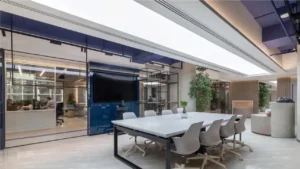
Offices need lighting that’s good for working. Backlit ceilings provide a consistent, glare-free light that’s easy on the eyes for long periods. This can make a workspace feel more open and calm. LED panels are also a good choice here, especially if you need to adjust brightness or color temperature for different tasks or meetings. Some systems can even be programmed to mimic natural daylight, which can help with focus and mood. This kind of lighting can really make a difference in productivity. For meeting rooms, adjustable LED panels are a plus, allowing you to set the right mood for presentations or discussions.
Hospitality and Entertainment Venues
For places like restaurants, bars, and hotels, lighting sets the whole mood. Backlit ceilings can create a warm, inviting atmosphere. Imagine a restaurant with a soft, diffused light that makes the dining experience feel more intimate. In bars, you might use LED panels with color-changing capabilities to create a lively vibe. These can be programmed to shift colors or patterns, adding a dynamic element to the space. For entertainment venues, like small theaters or event spaces, the flexibility of LED panels is a big advantage. You can create dramatic effects or subtle washes of color to match the performance or event. The ability to customize lighting plans is a huge benefit in these types of spaces.
Choosing the Right Lighting Solution
Figuring out whether to go with a backlit ceiling or LED panels isn’t just about looks or price. There are a few steps and factors to consider so you pick what’s practical for your space and budget.
Assessing Your Project Needs
Start by thinking about your space and how you use it every day.
- Room Size and Purpose: Is it a small bedroom or a large office? A place to relax or work? Larger areas may benefit more from the even spread of a backlit ceiling, while small rooms can usually do just fine with LED panels.
- Maintenance: Do you want something that just works, or are you okay with occasional upkeep?
- Ceiling Height and Structure: Older buildings with low or uneven ceilings pose extra installation challenges.
- Local Climate: For humid places, make sure your system resists moisture and mold.
Balancing Aesthetics and Functionality
Lighting is more than just brightness — it sets the mood and affects how the room looks. Here’s how to approach your choice:
- Backlit ceilings allow for custom visuals like patterns, colors, or even printed designs. Great for a statement piece or branding.
- LED panels come in standard shapes (mostly rectangular), but offer reliable, consistent light and flexible color temperatures (warm, cool, daylight).
- Think about how the lighting matches your furniture, wall colors, and overall design style.
| Feature | Backlit Ceilings | LED Panels |
|---|---|---|
| Design Freedom | High (custom prints possible) | Limited (basic) |
| Light Spread | Very uniform | Depends on panel layout |
| Installation Time | 2-5 days | 1-2 days |
| Upkeep | Occasional check-ups | Minimal |
| Cost per m² (avg.) | $100–$200+ | $50–$120 |
Consulting with Lighting Professionals
If you get stuck or want professional results, talk to an installer or interior designer. Here’s how they help:
- Evaluate technical needs: They’ll look at wiring, prep work, and ceiling structure.
- Design options: They can show you mockups — how your ceiling could actually look in your home or office.
- Budgeting and scheduling: They’ll break down all the costs, so there are no surprises. Many offer a free first consultation.
Tips for getting ready to talk to a lighting pro:
- Make a list of must-have features (like dimming, color-changing, or prints).
- Get rough measurements of your space.
- Snap a few photos of the current ceiling.
- Set a rough budget so you don’t get talked into something you don’t need.
Bottom line: Choose the option that fits your day-to-day life, your style, and your budget. There’s no one-size-fits-all answer, but with some planning, you’ll have a ceiling that works and looks right for you.
So, Which Ceiling Lights Up Your Life?
Alright, we’ve gone over the ins and outs of backlit ceilings and LED panels. It’s clear that both can make a space look pretty sharp, but they do it in different ways. Backlit ceilings offer this really soft, diffused light that can make a room feel super cozy and high-end. Think of it as a gentle glow that just makes everything look better. LED panels, on the other hand, are more about direct, bright light. They’re super practical for tasks where you need good visibility, like in a kitchen or an office. Honestly, the best choice really comes down to what you’re trying to achieve. If you want a mood setter, go backlit. If you need functional light, LED panels are your go-to. Sometimes, you might even find a way to use both to get the best of both worlds. It’s all about matching the light to the room and what you do in it.
Frequently Asked Questions
What is a backlit ceiling and how does it work?
A backlit ceiling uses a special see-through (translucent) ceiling material with LED lights or lightboxes placed above it. When the lights are turned on, the whole ceiling glows evenly, creating a soft and modern look. This type of ceiling is popular in Thailand for homes, restaurants, and shops.
How are LED panels different from backlit ceilings?
LED panels are flat, thin lights that can be fixed directly onto ceilings or walls. They offer bright, even lighting but don’t have the glowing effect of a backlit ceiling. Backlit ceilings can cover large areas and become a design feature, while LED panels are usually simpler and more functional.
Which option is better for creating custom designs?
Backlit ceilings offer more freedom for custom designs. You can print any image, logo, or pattern on the ceiling, and the light will shine through it. LED panels can sometimes be customized with shapes or colors, but they are less flexible compared to a printed or patterned backlit ceiling.
Are backlit ceilings or LED panels more energy efficient?
Both use LED technology, which is energy efficient and lasts a long time. However, backlit ceilings may use more LEDs to light up a large area evenly, so they might use a bit more power than a few LED panels. Still, both are much more efficient than old-style lights.
Is it hard to install a backlit ceiling?
Installing a backlit ceiling is more complex than putting up LED panels. It requires careful planning, measuring, and fitting the special ceiling material and LED lights. Professionals usually do this job, and it takes longer than installing LED panels, which can often be done in just a few hours.
How much does each option cost in Thailand?
LED panels are usually cheaper upfront, starting around 1,800 THB per square meter. Backlit ceilings cost more, often from 3,800 THB per square meter or higher, depending on the design and lighting. Backlit ceilings also add more value to a space because of their unique look.
Which is easier to clean and maintain?
Both options are easy to care for. Backlit ceilings just need to be wiped gently with a soft cloth and mild soap. LED panels can be dusted or cleaned with a damp cloth. LEDs in both systems last many years, so you won’t need to change bulbs often.
Where are backlit ceilings and LED panels best used?
Backlit ceilings are great for living rooms, bedrooms, restaurants, and shops where you want a special look or mood. LED panels are perfect for offices, kitchens, and places where you need bright, practical light. In Thailand, many homes and businesses use both types to match different rooms and needs.