Loud noises in restaurants can really put a damper on a meal, right? Especially in a busy city like Bangkok, where places are often packed. You want your customers to relax and enjoy their food, not feel like they’re in a crowded market. But the thought of a huge renovation to fix the noise can be pretty overwhelming, not to mention expensive. Luckily, there are smart ways to tackle this problem without tearing down walls or closing for weeks. We’re talking about making your restaurant a more peaceful place, one that people will want to return to.
Understanding Restaurant Noise Challenges in Bangkok
The Impact of Echo and Poor Acoustics
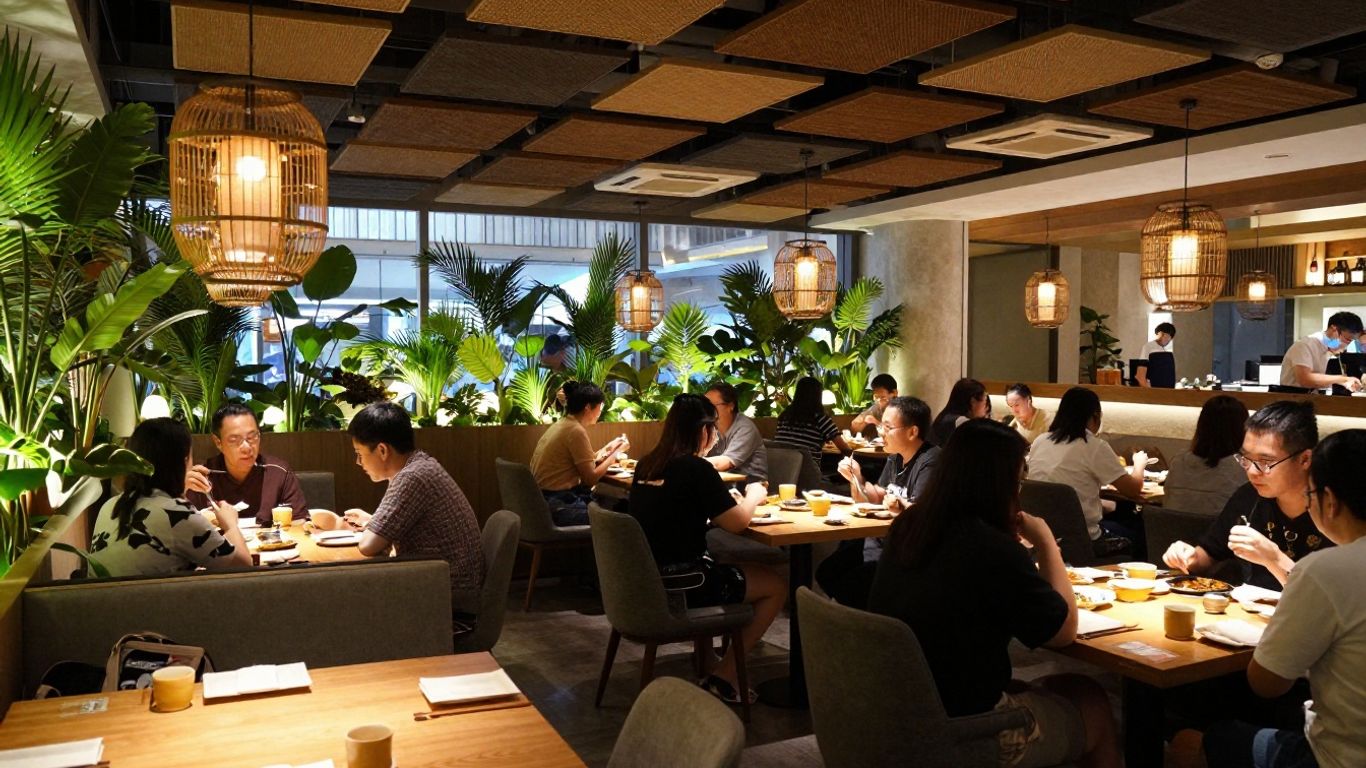
Restaurants in Bangkok can get loud. This isn’t just about the chatter of people. Hard surfaces like walls, floors, and even tables bounce sound around. This bouncing is called echo or reverberation. It makes conversations hard to follow. It can make the whole place feel chaotic and stressful. Good acoustics make a big difference in how people feel.
Common Noise Sources in Dining Environments
Several things add to the noise in a restaurant:
- Kitchen Sounds: Clatter from the kitchen, cooking noises, and staff talking can travel to the dining area.
- Customer Voices: As more people talk, the overall noise level goes up.
- Music: Background music, if too loud or not well-balanced, adds to the noise.
- Equipment: Air conditioning units, refrigerators, or even coffee machines can make constant background noise.
- Hard Surfaces: Bare walls, tiled floors, and glass windows reflect sound, making it worse.
Why Noise Reduction is Crucial for Customer Experience
Nobody likes eating in a place that’s too noisy. It’s hard to relax and enjoy your meal. It’s also difficult to have a conversation with your dining companions. High noise levels can make customers feel stressed and rushed. They might not stay as long or come back. A quieter, more comfortable atmosphere leads to happier customers. This means they are more likely to return and recommend your restaurant to others. It directly impacts how people perceive your brand and their overall dining experience.
Acoustic Stretch Ceilings: A Stylish Solution
Acoustic stretch ceilings are becoming a go-to choice for restaurants in Bangkok looking to control noise without going through a full renovation. These ceilings offer a neat way to make things quieter while still looking modern and clean. Let’s break down how they work, why they’re practical for restaurants, and the different styles available.
How Acoustic Stretch Ceilings Work
An acoustic stretch ceiling uses a thin, flexible membrane that’s fitted just below your existing ceiling. The real trick is in the membrane’s micro-perforations or special acoustic materials. When sound waves hit the ceiling, part of that noise gets absorbed rather than bouncing around the room. This reduces the echo. Your customers can talk in normal voices, and the dining experience feels more relaxed.
Main steps of how it works:
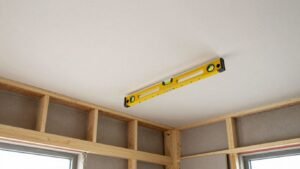
- A frame is installed just under the current ceiling (no demolition required).
- The acoustic membrane is stretched and clipped to the frame.
- Sound waves are trapped in the material, reducing reverberation.
Benefits for Restaurants: Sound Control and Clarity
Here’s why many Bangkok restaurant owners are switching to acoustic stretch ceilings:
- Cuts down on background noise and echo.
- Makes conversation clearer, customers don’t need to shout.
- Quick installation. Most jobs are done in 1 to 2 days.
- Easy to clean, which is essential for any restaurant.
- Resistant to moisture and stains. Good for Bangkok’s climate.
Compare the performance:
| Solution | Installation Time | Sound Absorption | Maintenance |
|---|---|---|---|
| Acoustic Stretch Ceiling | 1 to 2 days | High | Easy |
| Carpets/Curtains | 1 day | Medium | High |
| Traditional Renovation | 2 to 3 weeks | High | Varies |
Aesthetic Versatility for Ambiance
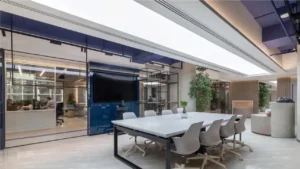
Stretch ceilings don’t just work well, they look good, too. Here are the style options:
- Matte finish for a modern, understated look.
- Glossy/lacquer finish to make the room feel brighter.
- Custom printed graphics for branding or unique themes.
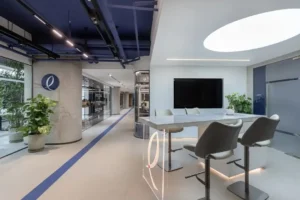
- Integration with LED lighting and colour-changing effects.
You can pick:
- Colour and finish to match your restaurant’s brand.
- Backlit or illuminated sections for mood or zone lighting.
- Printed designs, clouds, cityscapes, your logo, anything really.
These ceilings are not just about noise, they give you flexibility with the look and feel of your place without a big mess or expense.
Summary: Acoustic stretch ceilings make restaurants in Bangkok quieter, more comfortable, and stylish, all with minimal hassle. If your goal is less noise and a touch of modern style, it’s worth a closer look.
Choosing the Right Acoustic Ceiling for Your Restaurant
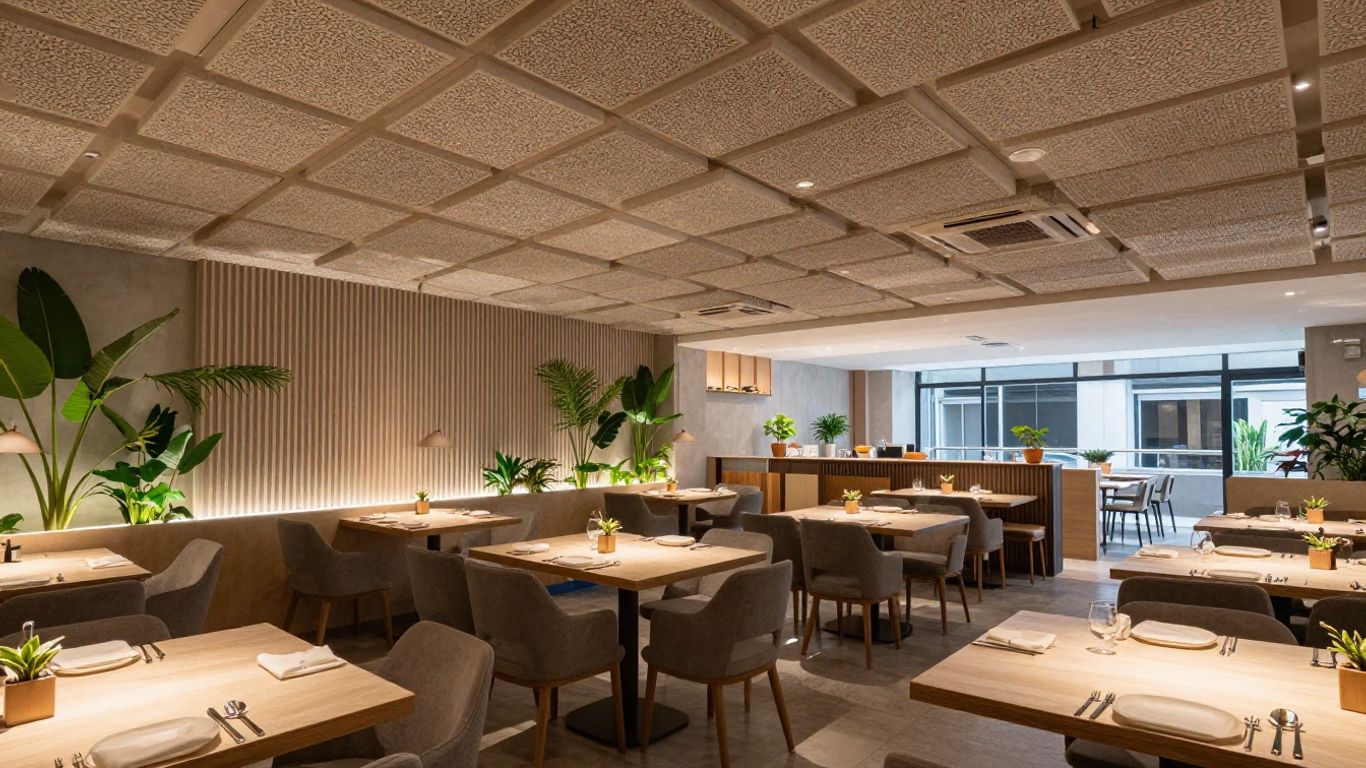
Picking an acoustic ceiling in Bangkok isn’t just about looks. You want sound absorption, easy care, and a good fit for your style. Here’s what matters most when you’re planning to cut down noise without a big renovation.
Material Properties for Sound Absorption
The main job of an acoustic ceiling is to soak up sound. Most stretch ceilings use a thin, micro-perforated membrane. The holes in the material help trap sound, reducing echo and making conversation easier. For restaurants, this is especially useful during busy times or in rooms with lots of hard surfaces.
Key features to look for:
- Micro-perforated or textile membrane designed to absorb mid-to-high frequency noise (like voices and clattering dishes)
- Moisture-resistant, to handle steamy kitchens and Bangkok’s humidity
- Stain resistance for oil or smoke in dining areas
Here’s a quick look at some typical material choices:
| Ceiling Type | Sound Absorption | Moisture Resistance | Typical Use |
|---|---|---|---|
| Micro-perforated acoustic PVC | Very High | Yes | Restaurants, cafes |
| Acoustic textile stretch | High | Good | Meeting spaces, bars |
| Standard plasterboard | Low | No | Offices, homes |
Design Options: Matte, Glossy, and Printed
Acoustic ceilings are more than functional. The finish you choose changes the whole mood of your restaurant.
- Matte: Soft, doesn’t reflect much light. Works well for understated, cozy spaces.
- Glossy: Reflects light and can make small rooms look bigger. Easy to wipe clean, great above busy dining areas.
- Printed: Want to show your logo, a cityscape, or a sky effect on the ceiling? Printed membranes are UV-resistant, so colours stay strong.
Some suppliers let you combine designs, like a matte finish with a printed centerpiece. In Bangkok, customizable acoustic ceilings allow you to tailor the look to your brand or theme.
Integrating Lighting for Atmosphere
One major advantage of stretch acoustic ceilings is easy integration of lighting. You’re not stuck with just basic fixtures. Here’s what you can do:
- LED strips or cove lighting around the edges for a glow effect
- Backlit panels with a translucent ceiling for soft, even light
- Spotlights for highlighting tables or art
Lighting integration means you can adjust the mood (think romantic dinner vs. lively lunch crowd) without changing the whole structure. Many lighting types use low-energy LEDs, keeping electricity bills down and maintenance simple.
Tips for Choosing the Best System:
- Get a specialist to measure noise levels before you pick a material
- Match ceiling colour and finish to your existing décor
- Make sure lighting options work with your table setup and kitchen layout
Cost can vary based on the finish and lighting chosen. Basic matte options usually cost less than custom-printed or fully backlit ceilings, with acoustic finishes in Bangkok starting around 4,500 THB per m² and rising for high-performance or printed membranes.
Choose what works best for your space, budget, and the vibe you’re aiming for. Simple changes to ceiling material, finish, and lighting can solve noise problems and change how your restaurant feels, without ripping out the whole interior.
The Installation Process for Minimal Disruption
Quick Installation Compared to Traditional Methods
Installing acoustic stretch ceilings is surprisingly fast. Unlike old-school plaster or gypsum ceilings that can take weeks and make a huge mess, stretch ceilings are usually done in just a day or two. This means less downtime for your restaurant, which is a big deal when you’re trying to keep customers happy and the business running.
Clean and Efficient Installation Techniques
The process itself is pretty clean. First, a lightweight frame gets put up around the edges of your existing ceiling. Then, the special ceiling material is heated up a bit, making it flexible. It’s then stretched and clipped into the frame. This method creates a smooth, seamless look without all the dust and debris you’d expect from traditional construction. It’s a much tidier way to upgrade your space.
Professional Expertise in Bangkok
Getting it done right means hiring professionals who know what they’re doing, especially in a place like Bangkok. Local installers understand the climate and building styles here. They’ll make sure the materials are suited for the humidity and that the installation is done safely and correctly. A good team can usually finish the job in 1-2 days, minimizing any disruption to your restaurant’s daily operations.
Beyond Ceilings: Other Noise Reduction Strategies
While acoustic ceilings are a big help, they aren’t the only way to quiet things down. You can make a difference with how you arrange your restaurant and what you put inside it.
Strategic Furniture and Layout Considerations
The way you set up your tables and chairs matters. Hard surfaces like bare walls and floors bounce sound around. Think about how sound travels in your space.
- Break up large, open areas. Use furniture placement to create smaller zones. This can help absorb sound and make conversations easier to hear.
- Avoid lining up tables too closely. Give diners some space. This not only improves comfort but also reduces the direct path for noise to travel.
- Consider booth seating. The higher backs and sides of booths can act as natural sound barriers between tables.
Soft Furnishings to Absorb Sound
Soft materials do most of the work in soaking up noise. Hard surfaces reflect sound, making a room feel louder and more echoey. Adding soft items can really change the feel of your restaurant.
- Curtains and drapes: Heavy fabric curtains, especially those that are pleated, can absorb a lot of sound. Hang them on windows or even on walls if you have large, bare ones.
- Upholstered seating: Chairs and banquettes with fabric upholstery are much better at absorbing sound than hard wooden or plastic ones.
- Table linens and placemats: Even simple things like cloth napkins and fabric placemats can make a small difference. They reduce the clatter from plates and cutlery.
- Area rugs: Placing rugs under tables, especially in areas with hard flooring, can significantly cut down on echo and footfall noise.
Optimizing Staff Training for Noise Awareness
Your staff plays a big role in the noise level of your restaurant. Training them on how to manage noise can have a surprising impact.
- Mindful movement: Encourage staff to walk, not run, especially during busy periods. Teach them to place dishes down gently rather than slamming them.
- Voice control: Train staff to speak in normal tones, even when busy. Avoid shouting across the dining room.
- Customer interaction: Staff can subtly guide conversations away from being too loud. They can also be trained to respond quickly to any noise issues a customer might mention.
- Kitchen noise: If possible, work with kitchen staff to reduce banging and clattering. Sound-dampening materials can sometimes be used in the kitchen area too.
Maintenance and Durability of Acoustic Solutions
No one likes extra cleaning in a busy restaurant kitchen or dining room. Acoustic stretch ceilings are designed for simple upkeep. All you need is a soft cloth and some mild soap.
- Wipe gently, no scrubbing or harsh cleaners.
- Mild soap and lukewarm water work for most stains or spots.
- Don’t use abrasive sponges, they can damage the surface.
- For printed or backlit ceilings, be extra gentle to keep designs looking sharp.
Light dusting every few months is plenty. If you’re in a high-traffic area or a spot with greasy air (like above the kitchen pass), maybe up the cleaning to every month. Keeping the space well-ventilated also helps avoid moisture buildup.
Long-Term Value and Resistance to Bangkok’s Climate
Bangkok is hot, muggy, and sometimes you’ll get sudden storms. Traditional gypsum ceilings can crack, peel, or get moldy. A good stretch ceiling doesn’t do that. It’s moisture-resistant and doesn’t soak up city odors or stains. That means you can use them worry-free in humid spots, like kitchens or restrooms.
Here’s a quick look at how these ceilings stand up versus common options:
| Ceiling Type | Lifespan | Moisture Resistance | Crack-Free |
|---|---|---|---|
| Gypsum/Plaster | 5 to 8 years | Low | No |
| Painted Concrete | 5 to 10 years | Moderate | Rare |
| Acoustic Stretch | 10 to 15 years | High | Yes |
No need to repaint, no dust storms from sanding, no water damage worries. And if there is a water leak above, some stretch ceiling materials can even hold water until you sort the pipe, then you just drain it and the ceiling goes back into place.
Ensuring Longevity of Your Investment
If you want your ceiling to last, a little attention goes a long way:
- Clean gently as needed, especially in food prep zones.
- Inspect LED lights or fixtures every year, replace anything that gets too hot or flickers.
- Do a quick tension or frame check after installation, most companies suggest once a year.
- Keep up with basic maintenance and address any water issues fast.
A stretch ceiling that’s well cared for should give you over ten years of noise reduction and modern looks. This is one reason why more Bangkok restaurant owners are switching to stretch solutions, minimal hassle, solid durability, and peace of mind as your business grows.
Cost-Effective Noise Reduction Strategies
Making your restaurant quieter doesn’t always mean a huge expense. There are smart ways to tackle noise without breaking the bank. Acoustic stretch ceilings are a great option, but let’s look at how they fit into a budget and what else you can do.
Understanding Pricing for Acoustic Ceilings
Acoustic stretch ceilings are an investment, but they offer a lot for the money. The cost depends on a few things:
- Material Type: Basic sound-absorbing membranes are less expensive than high-performance ones.
- Design: Simple matte finishes are more budget-friendly than glossy, printed, or complex layered designs.
- Size: Larger areas naturally cost more due to material and labor.
In Bangkok, acoustic stretch ceilings start from about 4,500 THB per square metre for a standard finish. High-performance membranes, printed designs, and integrated lighting cost more on top of that, depending on complexity. Get a quote for your specific space rather than budgeting off a generic number.
Balancing Investment with Noise Reduction Benefits
When thinking about cost, consider the return. A quieter restaurant means happier customers. Happy customers are more likely to return and recommend your place. This can lead to increased revenue over time.
Think about the long-term value. Acoustic ceilings are durable and easy to maintain, especially in Bangkok’s climate. They don’t crack or stain like traditional ceilings. This means fewer repair costs down the line.
Exploring Options for Different Budgets
Even if a full acoustic ceiling isn’t in the cards right now, there are other ways to manage noise affordably:
- Soft Furnishings: Adding more fabric elements like curtains, upholstered chairs, or even fabric wall panels can absorb sound.
- Strategic Layout: Arranging tables to create natural sound buffers can help. Avoid placing noisy areas (like the kitchen entrance) too close to quiet dining spots.
- Staff Training: Training staff to be mindful of noise levels, like speaking softly and closing doors gently, can make a difference.
- Smaller Acoustic Treatments: Instead of a whole ceiling, consider adding acoustic panels to specific areas that are prone to echo, like above the bar or in a private dining room.
Partnering with Local Experts in Bangkok
When you decide to install acoustic stretch ceilings, working with local experts in Bangkok makes a big difference. They understand the city’s specific needs and building styles.
Finding Specialists for Acoustic Ceiling Installation
Look for companies that have a solid track record in Bangkok. Check their past projects and customer reviews. A good specialist will know about:
- The best materials for Bangkok’s climate.
- How to install ceilings with minimal disruption to your restaurant.
- Local building codes and standards.
A local team knows the ins and outs of working in Bangkok.
Consultation and Customisation Services
Reputable installers offer consultations to discuss your restaurant’s specific noise issues and design goals. They can help you choose:
- The right type of acoustic membrane for sound absorption.
- Finishes that match your restaurant’s ambiance (matte, glossy, printed).
- Integrated lighting solutions to create the desired mood.
They should be able to tailor the solution to your space and budget.
Ensuring Quality and Compliance with Local Standards
Make sure the company you choose uses certified materials that meet safety standards. Ask about their installation process and how they ensure a clean and efficient job. A good local partner will also be transparent about pricing and timelines, providing a clear quote for the work. They should be able to show you examples of their work and explain how their solutions comply with local regulations.
The bottom line
Fixing restaurant noise in Bangkok doesn’t require tearing down walls or closing for weeks. Rearranging tables, adding soft furnishings, training staff, and installing an acoustic ceiling are all options that fit different budgets. The goal is simple: let people hear each other and enjoy their meal.
Frequently Asked Questions
Why is my restaurant so noisy, even when it’s not crowded?
Even with few people, hard surfaces like walls, floors, and tables bounce sound around, creating an echo. This makes everything sound louder and less clear. Think of it like shouting in an empty gym, the sound just keeps bouncing.
How can acoustic ceilings help reduce noise?
Acoustic ceilings have special materials, often with tiny holes, that soak up sound waves instead of bouncing them back. When sound hits these ceilings, a lot of its energy gets trapped, making the room quieter and conversations easier to hear.
Are acoustic ceilings ugly or hard to match with my restaurant’s style?
No. Modern acoustic ceilings come in many styles, like matte, shiny, or even with cool printed designs. You can pick one that looks great and fits the vibe of your Bangkok restaurant, whether it’s fancy or casual.
Will installing a new ceiling mess up my restaurant’s business?
Not usually. Installing acoustic stretch ceilings is much faster and cleaner than old-fashioned methods. They often take just a day or two, and there’s very little dust or mess, so you can get back to serving customers quickly.
Besides ceilings, what else can I do to make my restaurant quieter?
You can add soft things like curtains, upholstered chairs, or even rugs. Arranging your tables smartly and training staff to be mindful of noise levels can also make a big difference.
How do I clean and care for an acoustic ceiling?
Most acoustic ceilings are easy to clean. You can usually just wipe them down with a soft cloth and some mild soap and water. They’re designed to be tough and last a long time, even in Bangkok’s weather.
Are acoustic ceilings expensive for a restaurant in Bangkok?
While they are an investment, acoustic ceilings offer great value by improving the customer experience, which can lead to more repeat business. Prices vary, but there are options for different budgets, and they often cost less than major renovations.
Where can I find someone to install these acoustic ceilings in Bangkok?
Look for local companies that specialise in stretch ceilings and acoustic solutions. They’ll understand the specific needs of businesses in Bangkok and can help you choose and install the best system for your restaurant.